Hastin Setiani, Dwita Sutjiningsih, and Riri Fitri Sari Universities are increasingly adopting the “living laboratory” model to implement and evaluate sustainability innovations, including water management practices. As higher education institutions promote integrated sustainability policies, academic programs, and infrastructure initiatives, understanding the behavioral dynamics that shape water-saving practices becomes critical. While the Theory of Planned Behavior...Read More
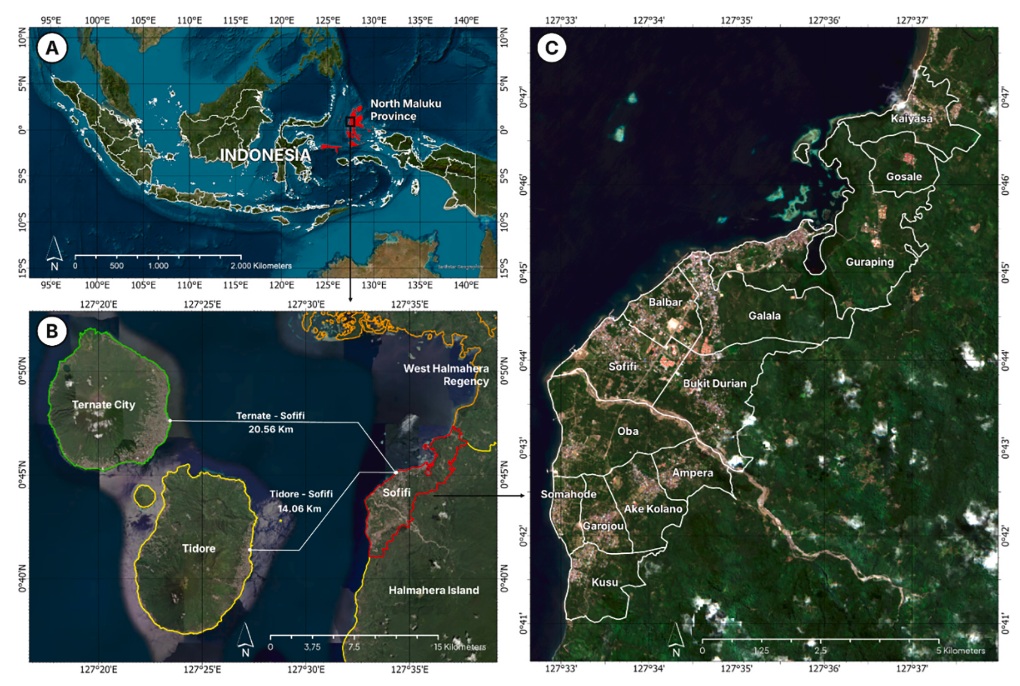
Nur Khafifah Rusni, Dwita Sutjiningsih, Hayati Sari Hasibuan, and Raldi Hendro Kostoer Water scarcity in coastal and arid regions remains a critical challenge, particularly where groundwater sources are increasingly affected by seawater intrusion. As population growth and economic activity intensify in coastal settlements, access to clean water becomes more limited, often resulting in brackish or...Read More
Djoko Mulyo Hartono and Cindy Rianti Priadi This educational enrichment book provides structured learning materials on waste management for junior and senior high school teachers. Published by the Deputy for Environmental and Forestry Management Coordination, Coordinating Ministry for Maritime Affairs and Investment, the book aims to strengthen environmental literacy and promote responsible waste management practices...Read More
Djoko Mulyo Hartono and Dwi Nowo Martono This intellectual property study examines the implementation of community-based domestic wastewater treatment systems under the Community-Based Sanitation Program (Sanitasi Berbasis Masyarakat) in Menteng Subdistrict, Central Jakarta. The work focuses on participatory approaches in communal wastewater management, emphasizing the role of community engagement in ensuring the sustainability, effectiveness, and...Read More
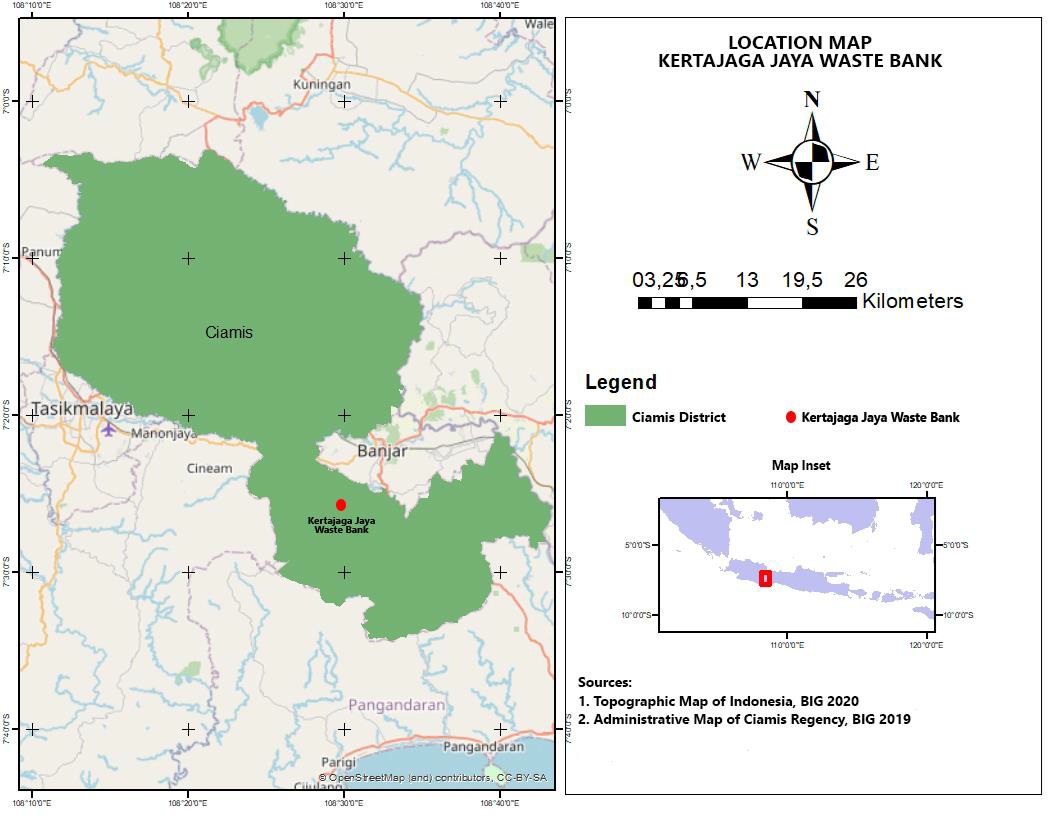
Salma Mar’atus Sholihah, Sri Setiawati Tumuyu, and Herdis Herdiansyah Households constitute the largest contributors to food waste in Indonesia. In rural communities, limited waste management infrastructure necessitates low-cost and sustainable alternatives, such as maggot cultivation, to reduce organic waste while supporting local agricultural systems. This study examines household food waste management practices in Kertajaga through...Read More
Ahyahudin Sodri and Herdis Herdiansyah Sustainability challenges have become a defining global concern. However, identifying root causes and setting policy targets alone are insufficient to generate meaningful transformation. Achieving sustainability requires behavioral change supported by individuals, organizations, and communities. The persistent gap between awareness and action, policy and practice, and scientific knowledge and behavior remains...Read More
Evi Frimawaty and Randi Mamola Agroforestry projects in the Peat Hydrological Unit (PHU) area represent the largest peat forest management and ecological restoration initiatives, supporting sustainable environmental growth. However, persistent practices such as littering and open waste burning present complex challenges to strategic forest and peatland management. These behaviors contribute not only to environmental degradation...Read More
Mahawan Karuniasa and Thoriqi Firdaus Indonesia has articulated ambitious green economy objectives through frameworks such as the Low Carbon Development Initiative (LCDI). Despite this ambition, a critical research gap persists: the weak “green political capabilities” of policymakers—defined as their ability to navigate political processes, build coalitions, and translate technical knowledge into viable policy—hinder effective agenda-setting...Read More
Hayati Sari Hasibuan, Mari Eko Mulyani, Muhammad Attorik Falensky, Muhammad Fadel Aginda, and Rudy Parluhutan Tambunan As the world’s largest archipelagic nation, comprising 17,024 islands, Indonesia faces distinct challenges in managing urban expansion within its island cities, particularly as approximately 90% of its urban areas are located along coastlines. This study provides a critical analysis...Read More
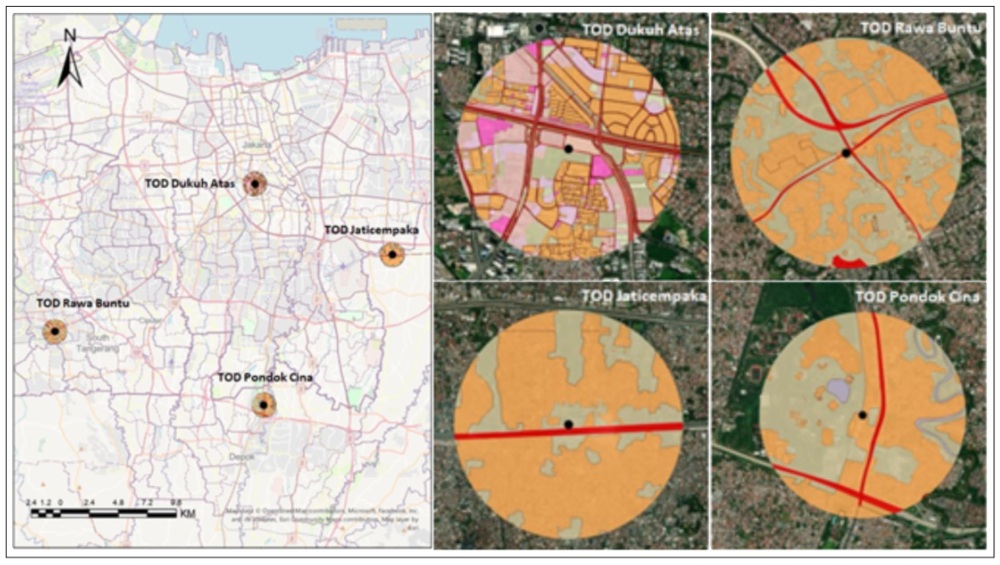
Hayati Sari Hasibuan, Rudy P. Tambunan, Mari Mulyani, Bellanti Nur Elizandri, and Farha Widya Asrofani Urban sprawl in the Jakarta Metropolitan Area, driven by gentrification processes, has intensified the need for Transit-Oriented Development (TOD) areas that integrate mixed-use development to reduce dependence on private vehicle commuting and address sustainability challenges. However, existing government guidelines for...Read More