Department of Environmental Science, Universitas Indonesia
Research on sustainable development is crucial for meeting the needs of the current generation without compromising the ability to meet the needs of future generations amidst massive development activities focused on anthropocentric approaches and economic growth.
The built environment and climate change are two vital elements in the development of sustainable development research. The built environment influences sustainable development, related to its impact on resource consumption, emissions, occupant health, and economic resilience.
The built environment also contributes significantly to climate change (through high energy consumption and greenhouse gas emissions), thus necessitating research on sustainable infrastructure development.
The Research Cluster on Sustainable Development, Built Environment, and Climate Change aims to advance interdisciplinary research that contributes to the achievement of the Sustainable Development Goals (SDGs), particularly through integrated approaches to the food–water–energy nexus.
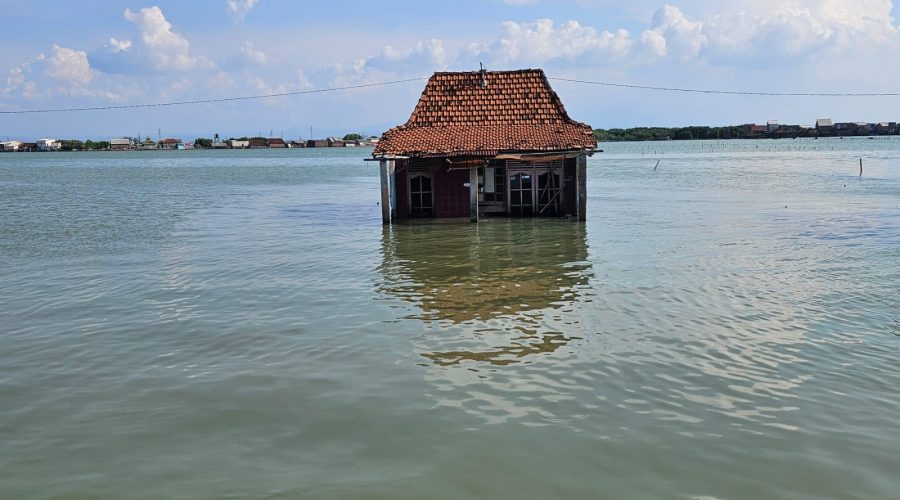
The cluster also focuses on assessing climate change impacts and developing mitigation and adaptation strategies across multiple spatial scales, from local to international contexts.
This pillar addresses systemic environmental risks and strengthens ecological resilience across urban, coastal, and regional systems.
This pillar advances integrated resource governance to ensure long-term environmental security and sustainable production systems.
This pillar focuses on spatial planning, infrastructure transformation, and systemic urban sustainability transitions.
This pillar provides the conceptual and analytical foundation of the cluster, integrating socio-ecological systems analysis with policy and development planning across multiple scales.
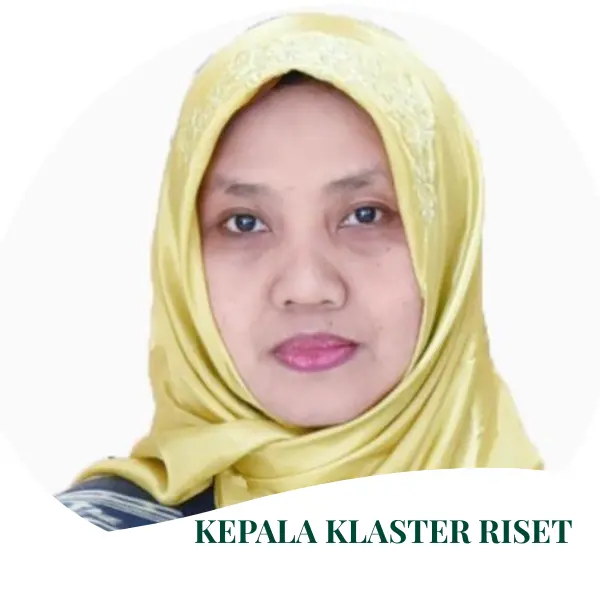
Dr. Hayati Sari Hasibuan, S.T., M.T., is a prominent academic and expert in urban environment and sustainable development, currently serving as a Manager of Research and Innovation at the Graduate School of Sustainable Development, Universitas Indonesia. With a doctoral degree in Environmental Science from Universitas Indonesia and a Master’s in Development Studies from ITB, she has established a prestigious track record as a leader in her field, having served as the Special Staff to the Leadership for Research and Community Engagement at the School of Environmental Science, Universitas Indonesia (2024-2025), Head of the Master’s Program in Environmental Science (2021–2024) and an Urban and Transportation Expert for JICA (2009–2014). Her recent achievements include receiving the Best Lecturer Award in Research and Innovation from Universitas Indonesia in 2023 and the Best Urban Initiative Prize at the 2022 MegaCities-ShortDocs Festival in Paris. A prolific researcher with over 80 Scopus-indexed documents, her most recent work (2024–2025) focuses on critical urban challenges such as Transit-Oriented Development (TOD), land subsidence mitigation, and sustainable coastal management. Beyond academia, she maintains significant influence as the Vice Chair of the Indonesian Environmental Scientists Association (IESA) and an independent evaluator for the National Development Planning Agency (Bappenas).
Areas of Expertise:

Dr. Ir. Mahawan Karuniasa, M.M. is a prominent Indonesian academic, environmental policy expert, and lecturer in the School of Environmental Science at Universitas Indonesia, specializing in climate change, sustainability science, environmental governance, and systems thinking. He holds a doctoral degree in Environmental Science from Universitas Indonesia, after completing his undergraduate studies in forestry at Universitas Gadjah Mada, and has authored numerous scientific publications and policy briefs in his fields of expertise. Dr. Mahawan is the founder and Director of the independent Environment Institute (Enviro) and serves as an active member of the Paris Committee on Capacity-Building (PCCB) under the United Nations Framework Convention on Climate Change (UNFCCC), representing the Asia-Pacific region and participating in Indonesia’s climate delegations to COP negotiations. He also chairs the Jaringan Ahli Perubahan Iklim dan Kehutanan Indonesia (APIK Indonesia Network), contributes to national research projects on low-carbon development and sustainable resource management, and frequently provides expert commentary on climate policy, environmental sustainability, and green economy issues in Indonesia. His work bridges academic research, policy advisory, and community engagement toward evidence-based environmental solutions and sustainable development goals.
Areas of Expertise:

Dr. Evi Frimawaty, S.Pt., M.Si. is an Indonesian environmental scientist and sustainable agriculture expert specializing in sustainable agricultural systems, food resource management, and climate change adaptation and mitigation. She earned her Doctorate in Environmental Science from Universitas Indonesia, a Master’s degree in Animal Science from Bogor Agricultural University, and a Bachelor’s degree in Animal Husbandry from the University of Jambi. Her research focuses on eco-farming, agroforestry, mangrove ecosystem restoration, palm oil sustainability, circular economy approaches to plastic waste management, livestock waste-to-energy systems, and community-based food security governance in the context of climate change. She has led and participated in numerous nationally funded research projects (2022–2025), including studies on mangrove ecosystem dynamics, CSR and environmental sustainability, urban subak rice field management, oil palm land-use change, and integrated urban farming models. Complementing her academic track record, she has served as the Head of the Environmental Agency of Jambi Province before she started to be a lecturer in Universitas Indonesia. With publications in reputable Scopus-indexed journals, Dr. Evi Frimawaty contributes significantly to advancing science-based policies and community empowerment strategies for resilient food systems and environmental conservation in Indonesia.
Areas of Expertise:

Dr. Ahyahudin Sodri, S.T., M.Sc. is a senior lecturer and researcher at the School of Environmental Science, Universitas Indonesia, specializing in eco-innovation, Eco-Disaster Risk Reduction (Eco-DRR), sustainable production and consumption, renewable energy, and waste-to-energy systems. He earned his Doctor of Environmental Science from Universitas Indonesia after obtaining a Master’s degree in Sensor System Technology from FH Karlsruhe, Germany. Since 2010, he has taught a wide range of postgraduate courses at Universitas Indonesia, including Environmental Research Methods, Environmental Modeling, Disaster Statistics, Climate Change Adaptation and Mitigation, Sustainable Development Planning, and Sustainable Food-Energy-Water Systems, in addition to earlier appointments in biomedical and medical instrumentation programs. Dr. Ahyahudin Sodri is an active scholar with a strong publication record indexed in Scopus and Google Scholar, contributing extensively to topics such as renewable energy from palm oil mill effluent, sustainable finance, disaster mitigation modeling, green building performance, electric vehicle adoption, and environmental impact assessment. His interdisciplinary background bridges engineering and environmental science, supporting evidence-based policy, technological innovation, and sustainability transitions in Indonesia.
Areas of Expertise:
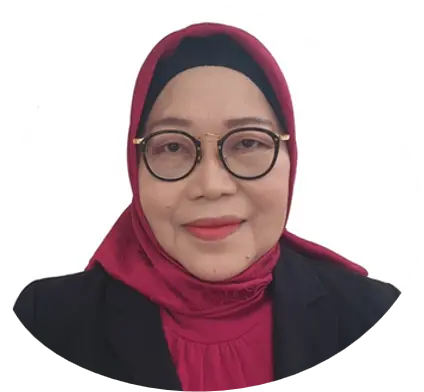
Dr. Ir. Sri Setiawati Tumuyu, M.A. is a distinguished Indonesian academic, environmental management specialist, and innovation leader who combines technical engineering expertise with broader socio-environmental insight, holding a doctoral degree and a Master of Arts. She is a lecturer and researcher at Universitas Indonesia’s Graduate School of Sustainable Development, contributing to waste management, circular economy strategies, and sustainable resource planning research and community empowerment initiatives through teaching, research, and outreach programs. In addition to her academic roles, Dr. Sri Setiawati has served as the Head of the Pusat Penelitian Ilmu Pengetahuan dan Teknologi (Puspiptek), Indonesia’s National Science and Technology Park under the Ministry of Research, Technology, and Higher Education, where she has overseen the development of science, technology, and innovation ecosystems, including technology-based business incubation, stakeholder collaboration, and industry partnerships. She has also led community empowerment programs on household waste technology dissemination and currently serves in academic leadership roles such as heading the Unit for Community Engagement and Professional Services (UKKPPM) in Research Center for Human and Environmental Resource (PPSML) at the Graduate School of Sustainable Development Universitas Indonesia, aiming to strengthen institutional governance and professional services in sustainability education.
Areas of Expertise:
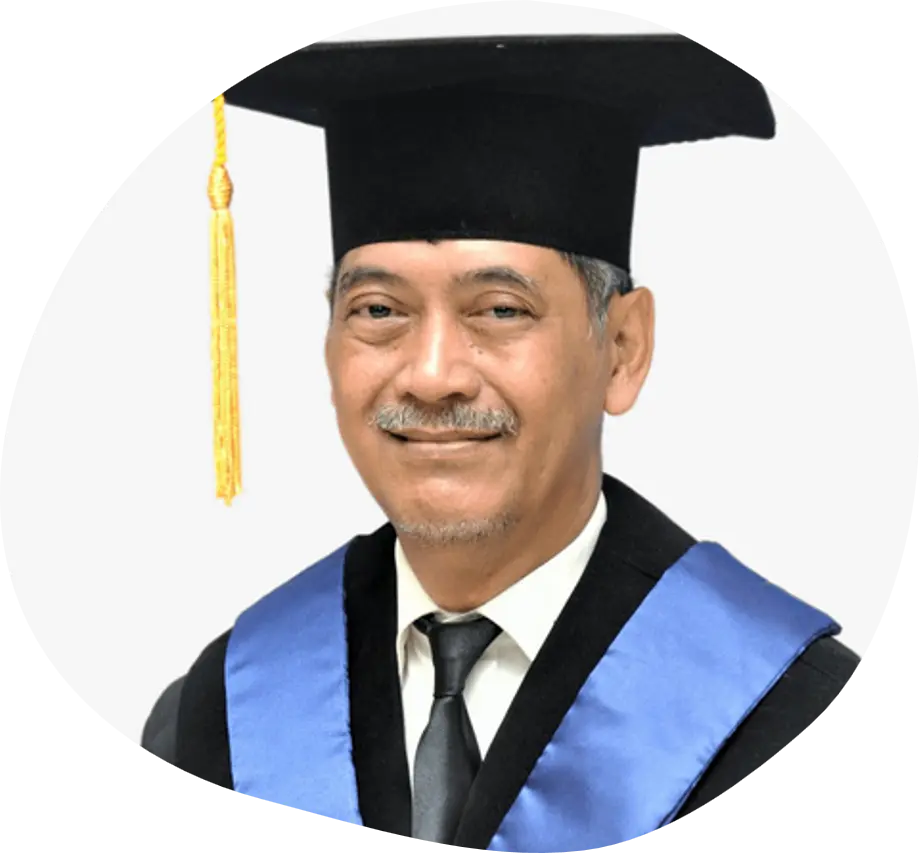
Prof. Dr. Ir. Djoko Mulyo Hartono, S.E., M.Eng., IPU, is a highly distinguished expert in Environmental Engineering Science and a Professor at the Universitas Indonesia. With a multifaceted educational background spanning engineering, management economics, and environmental science, he has established a prestigious career marked by significant leadership roles, including his current tenure as the Chairman of the Competence Test Assembly Board of Environmental Engineering for the Indonesian Engineers Association (2024–2027). His extensive track record is underscored by high-level recognitions such as a 30-year Service Honorary Certificate from the President of the Republic of Indonesia and his status as a Principal Professional Engineer (IPU). Professor Hartono remains at the forefront of his field through prolific research and publication; his most recent contributions in 2024 include authoritative works on urban development impacts on agricultural land, water quality improvement using ecosystem services, and innovative waste-to-energy solutions like RDF for plastic waste. His influence extends into national policy and education, serving as an assessor for both the National Higher Education Accreditation Body (BAN-PT) and the Independent Accreditation Institution (LAM-Teknik PII) through 2025.
Areas of Expertise:

Prof. Dr.-Ing. Dwita Sutjiningsih is a distinguished expert in hydrology and water resources management, currently serving as a faculty member at the School of Environmental Science, Universitas Indonesia, a role she has held in various capacities since 2023. With a prestigious academic foundation including a doctorate in Hydrology from the University of Hannover, Germany, and a diploma in River Engineering from Delft, Netherlands, she has built an extensive track record in ecohydrology and watershed health auditing. Her most recent professional contributions include her ongoing service as a Member of the Water Resources Council of West Java Province (2021–2026) and her role as an Assessor for the National Accreditation Agency for Higher Education (BAN-PT). Throughout her career, she has held high-level positions such as Secretary of the University of Indonesia (2004–2006) and has been recognized with the Satyalancana Karya Satya 30 Years award from the President of the Republic of Indonesia in 2011. Her recent research and publications continue to address critical environmental issues, focusing on flood risk assessment, sustainable urban drainage, and the impact of climate change on water resources.
Areas of Expertise: