
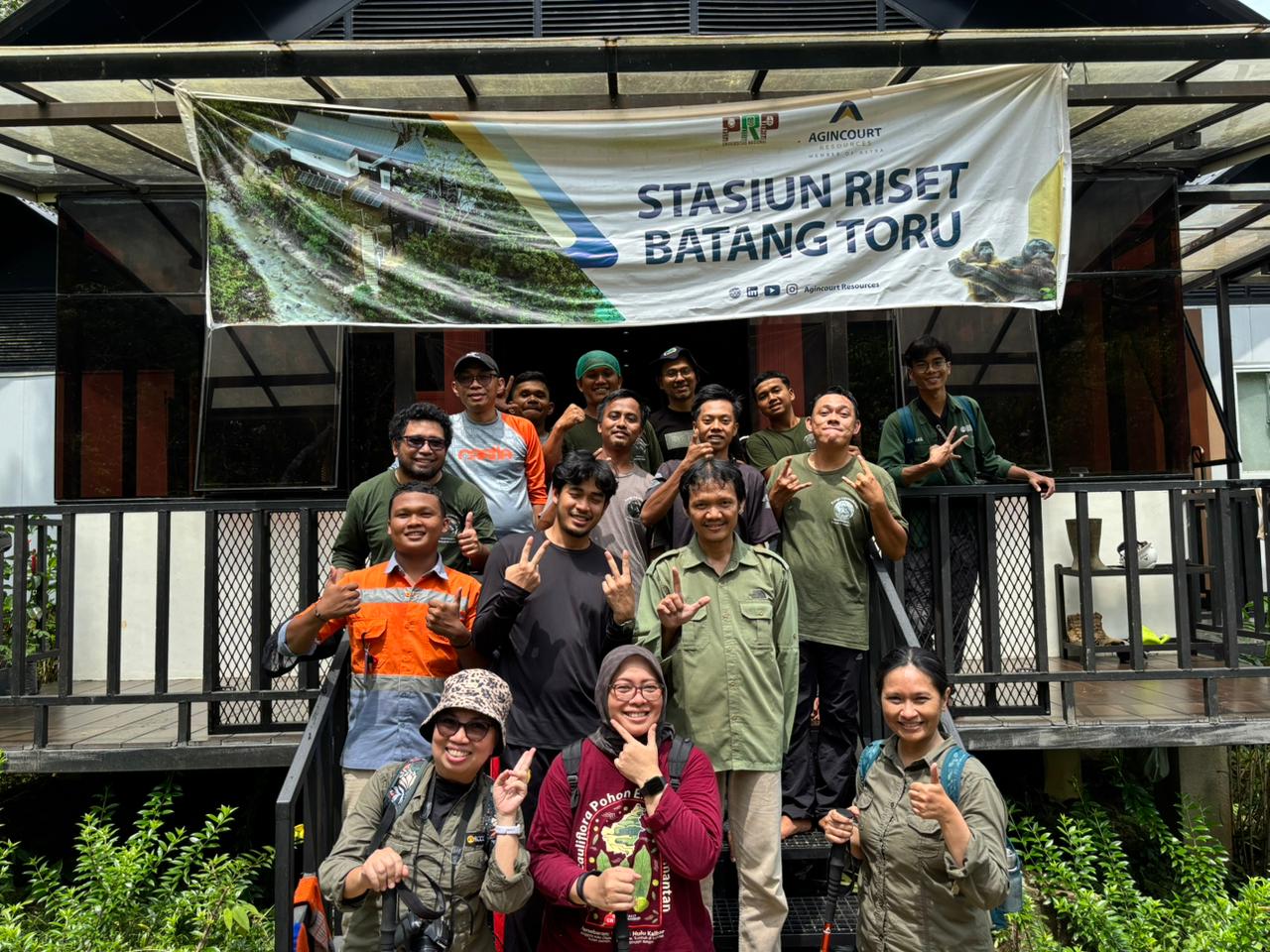


Siklon Tropis Senyar yang melanda Tapanuli Selatan pada akhir 2025 lalu meninggalkan dampak ekologis yang tidak sedikit di Lanskap Batang Toru. Sebagai rumah terakhir bagi spesies terancam punah seperti Orangutan Tapanuli (Pongo tapanuliensis), pemulihan kawasan ini perlu pijakan data yang kuat. Sebagai bentuk respon ilmiah, Grup riset Wild Biology UI bersama RCCC UI di bawah naungan ISER UI turun ke lapangan dan menganalisis dinamika ekosistem Batang Toru pascabencana
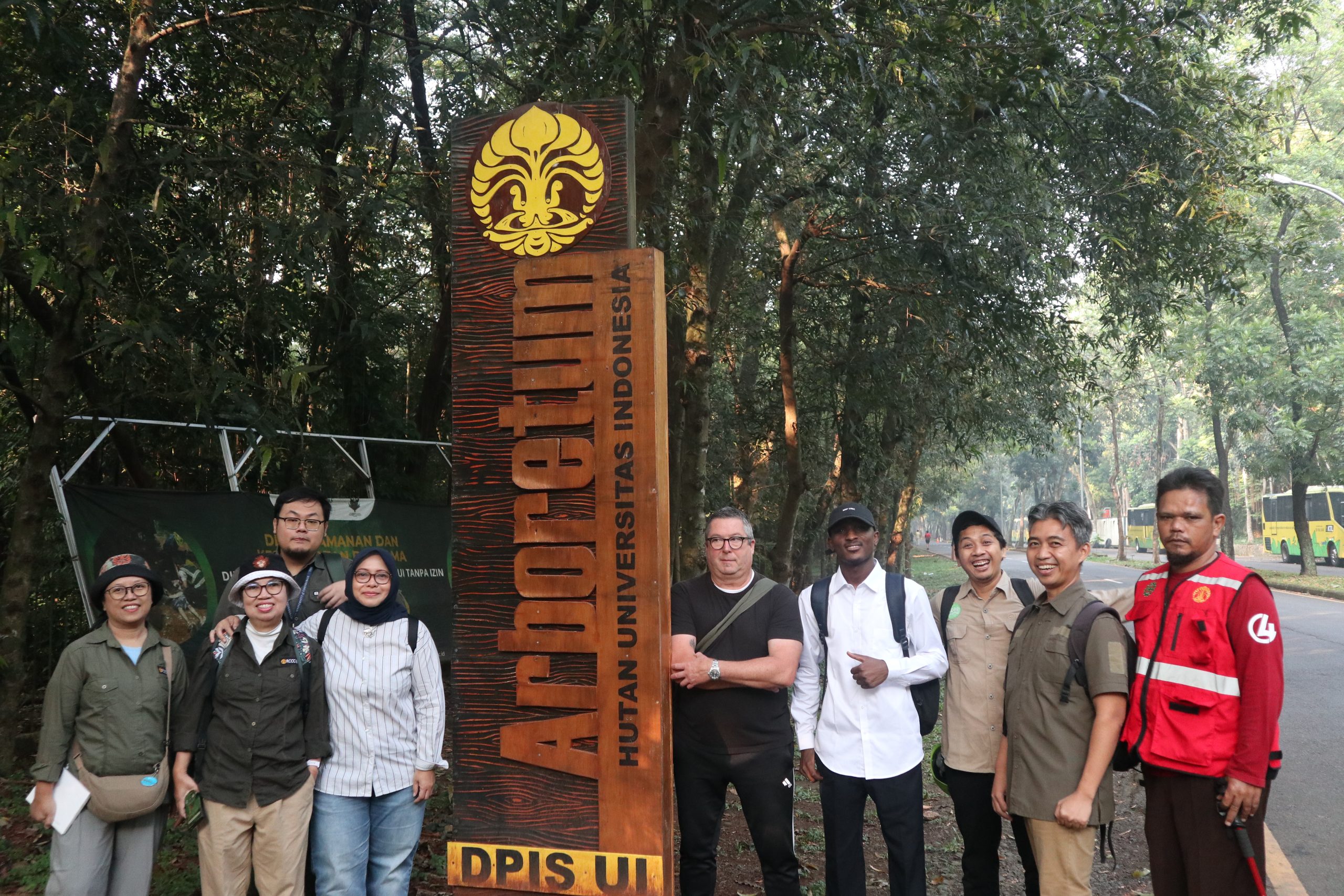
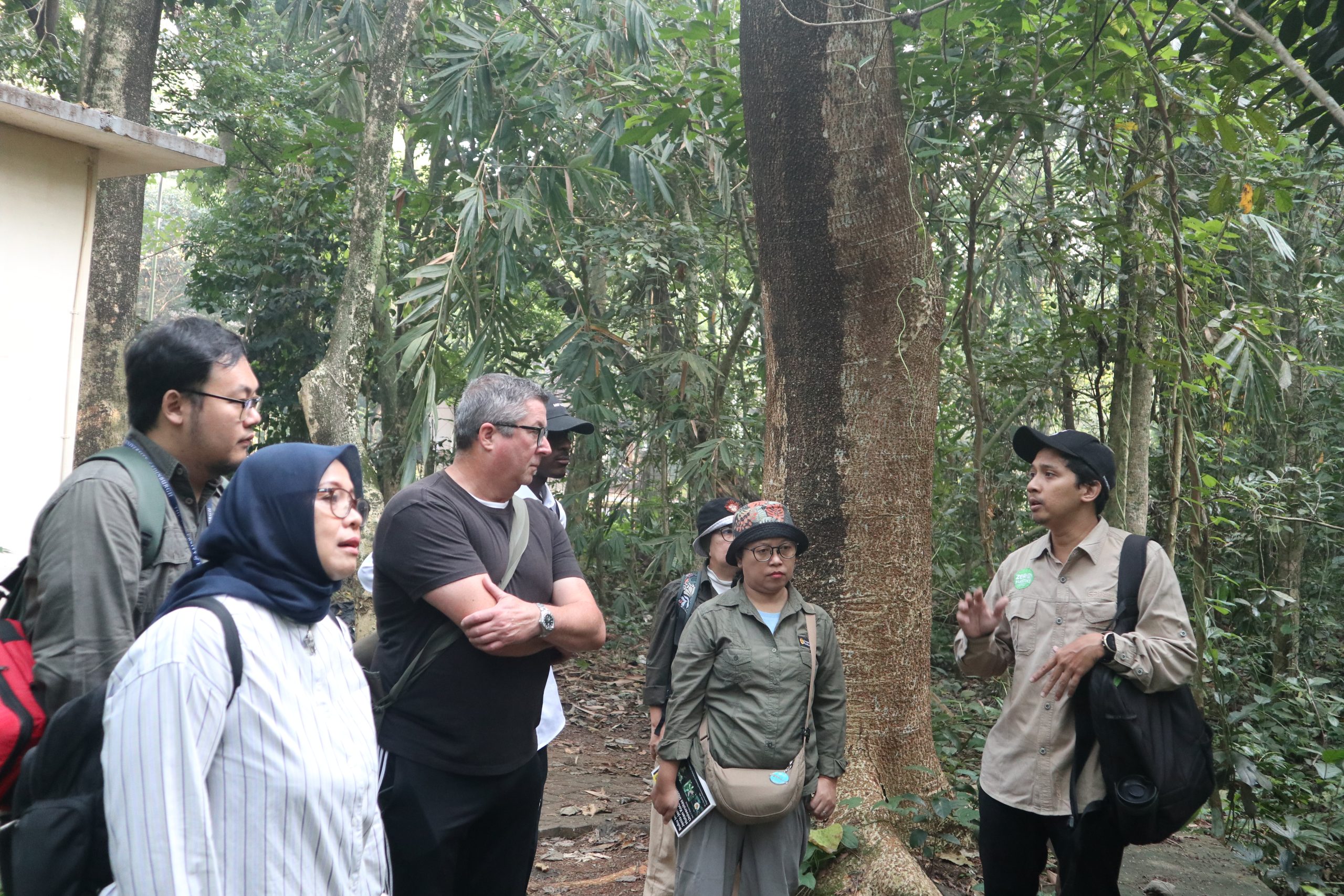
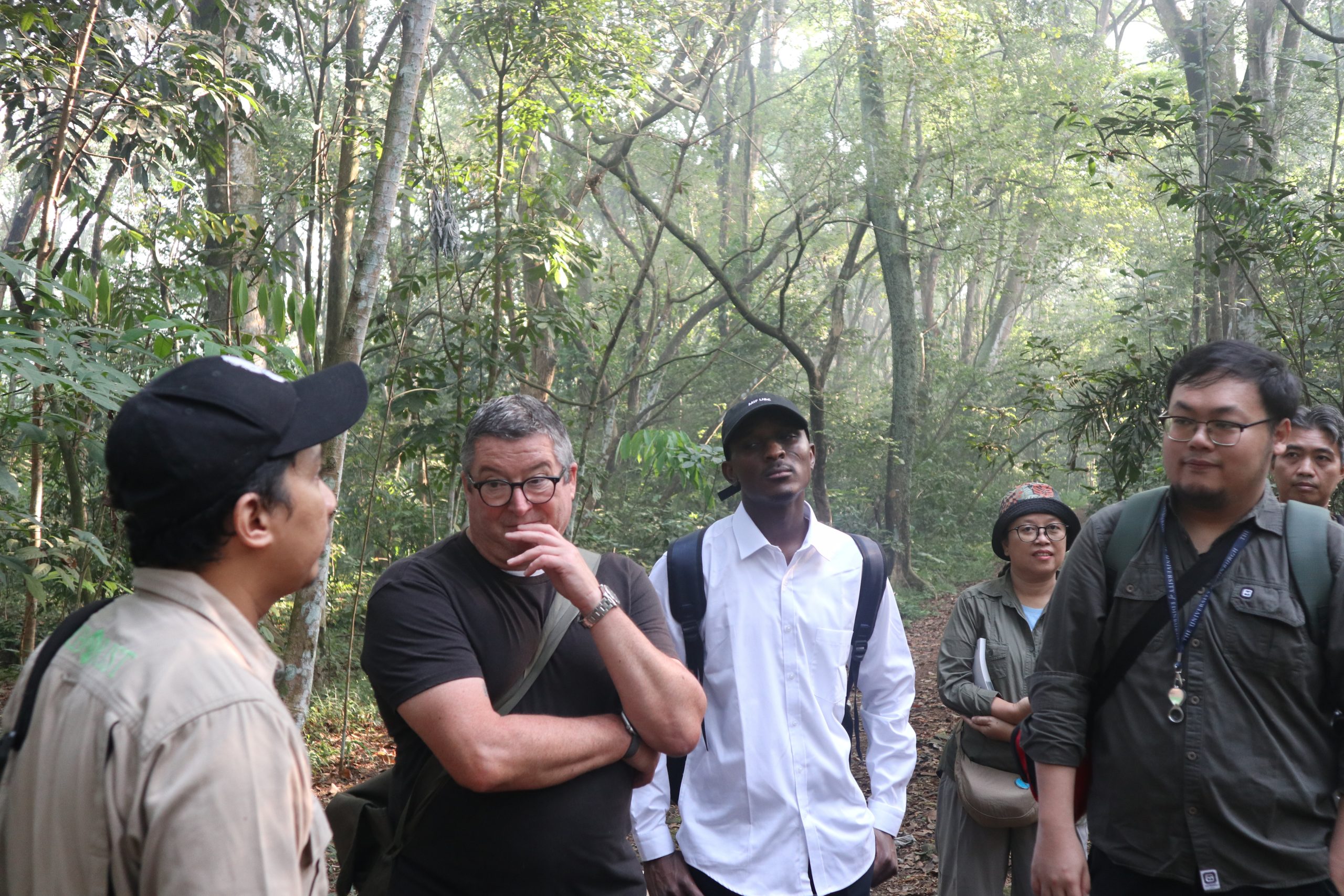
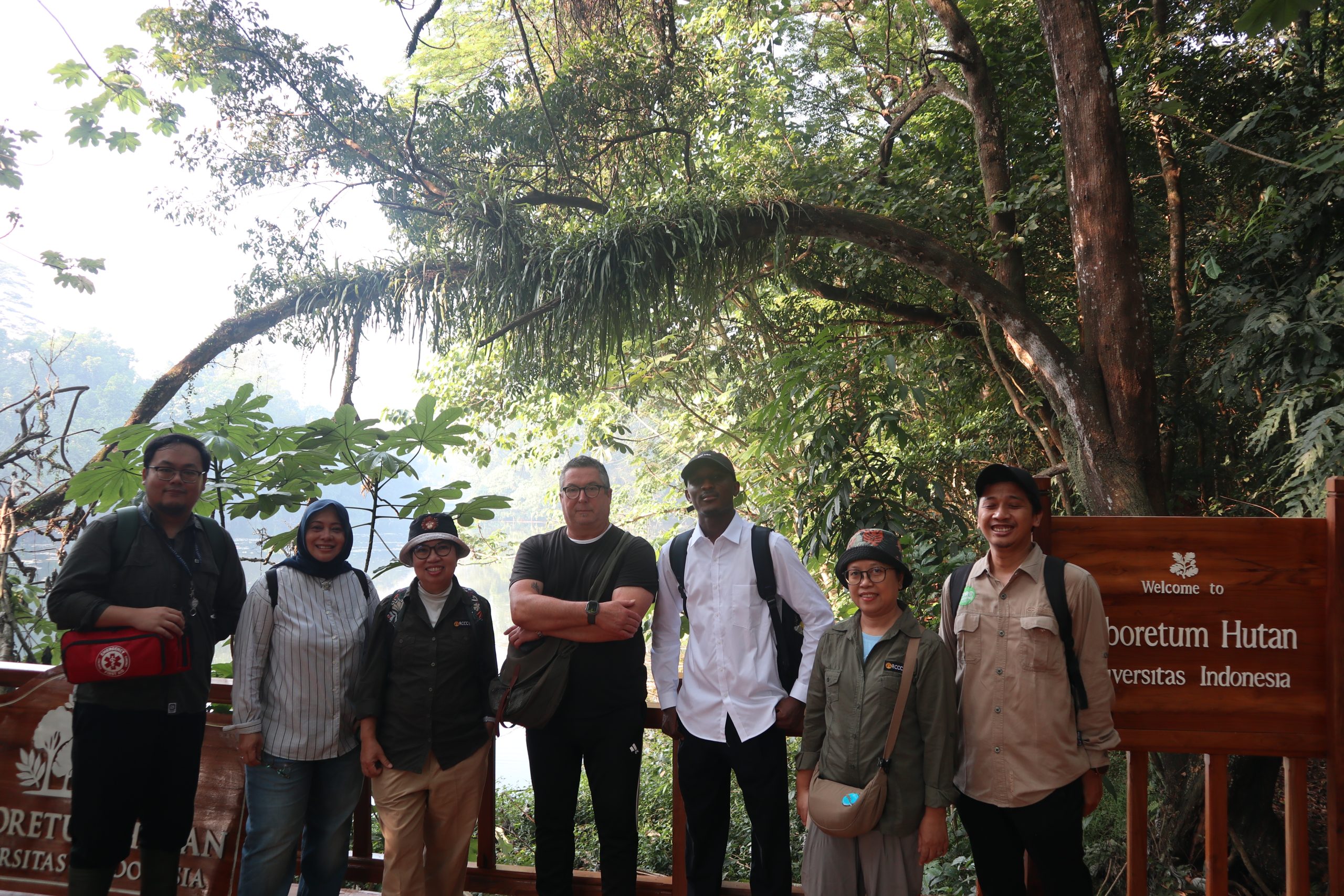
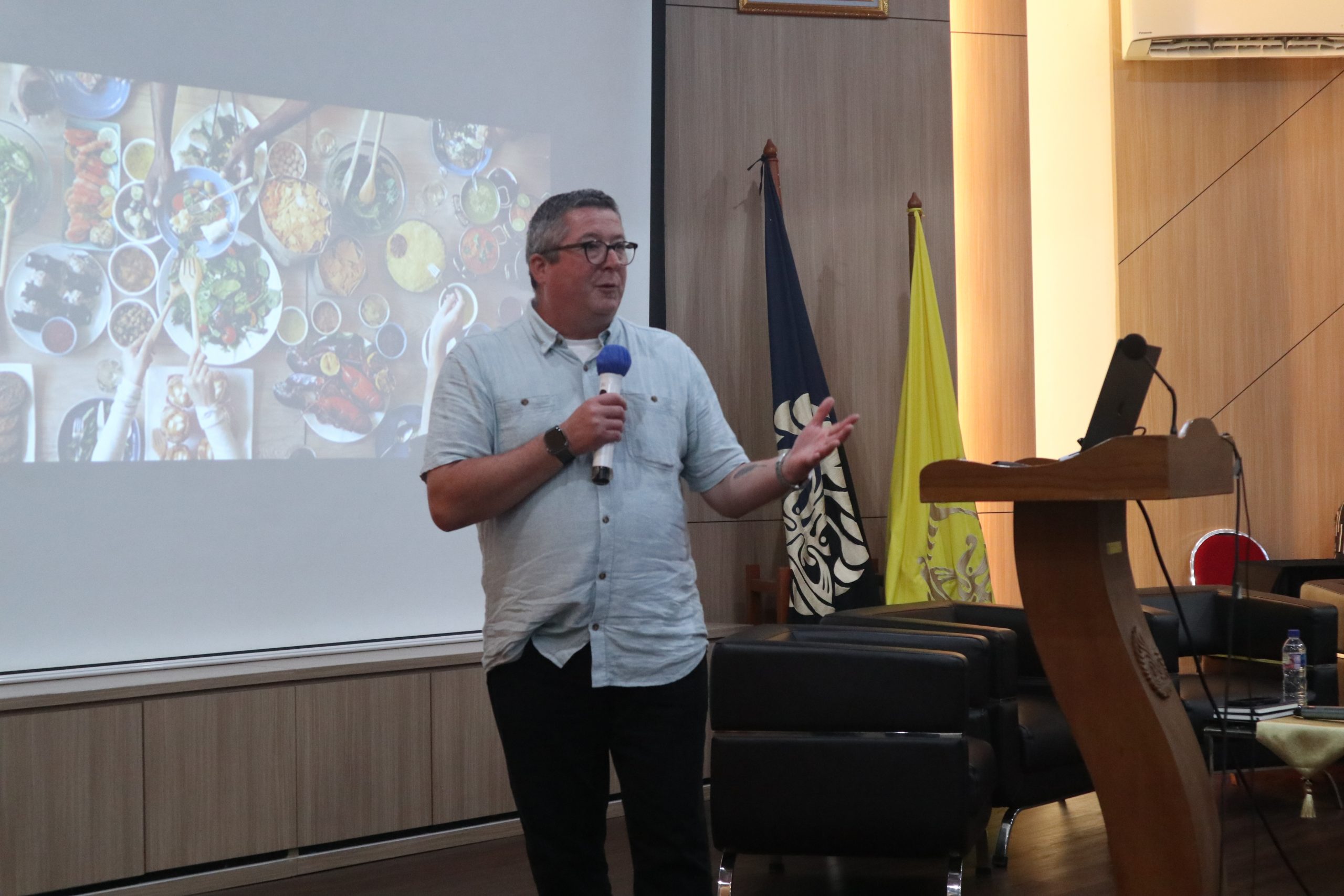
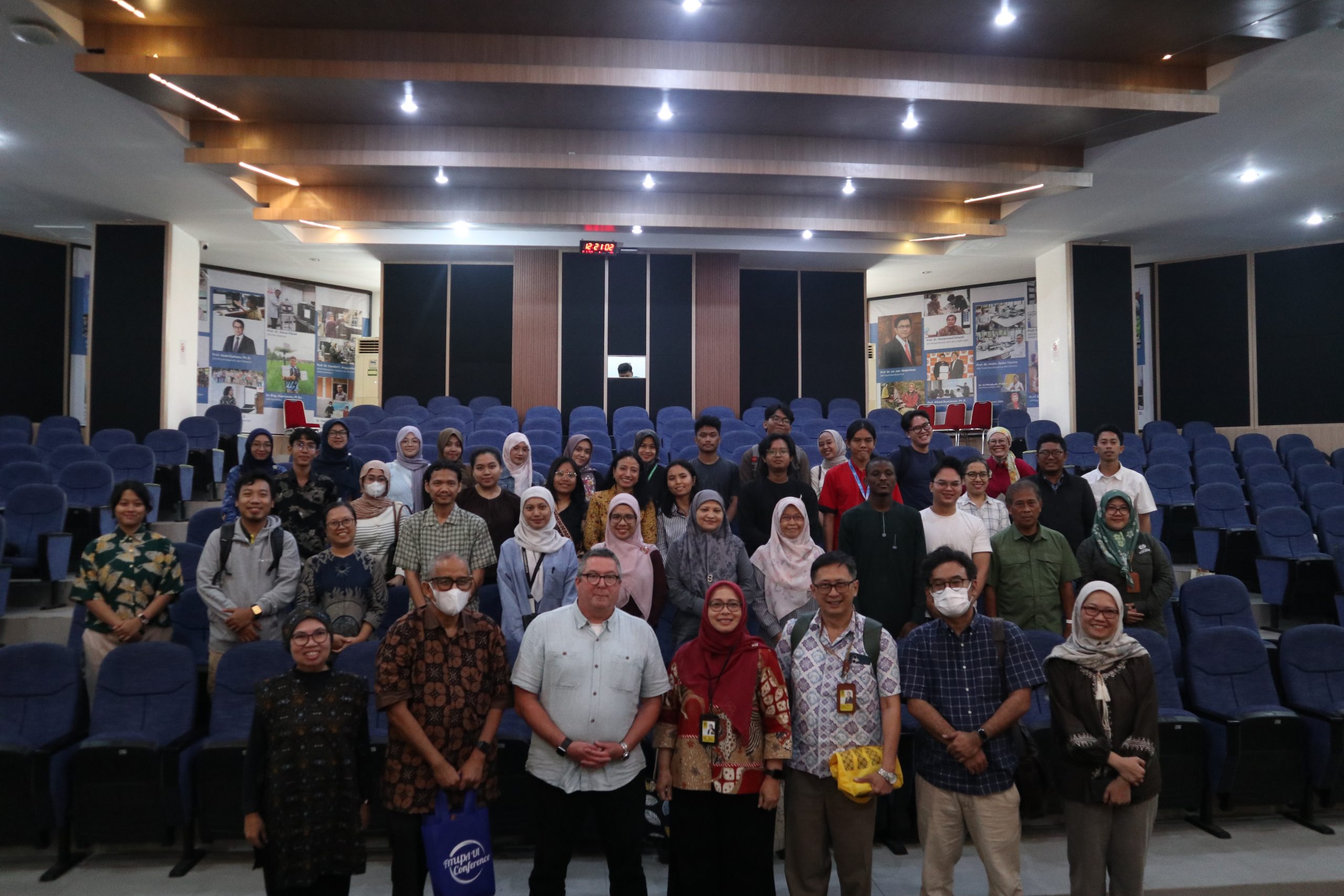
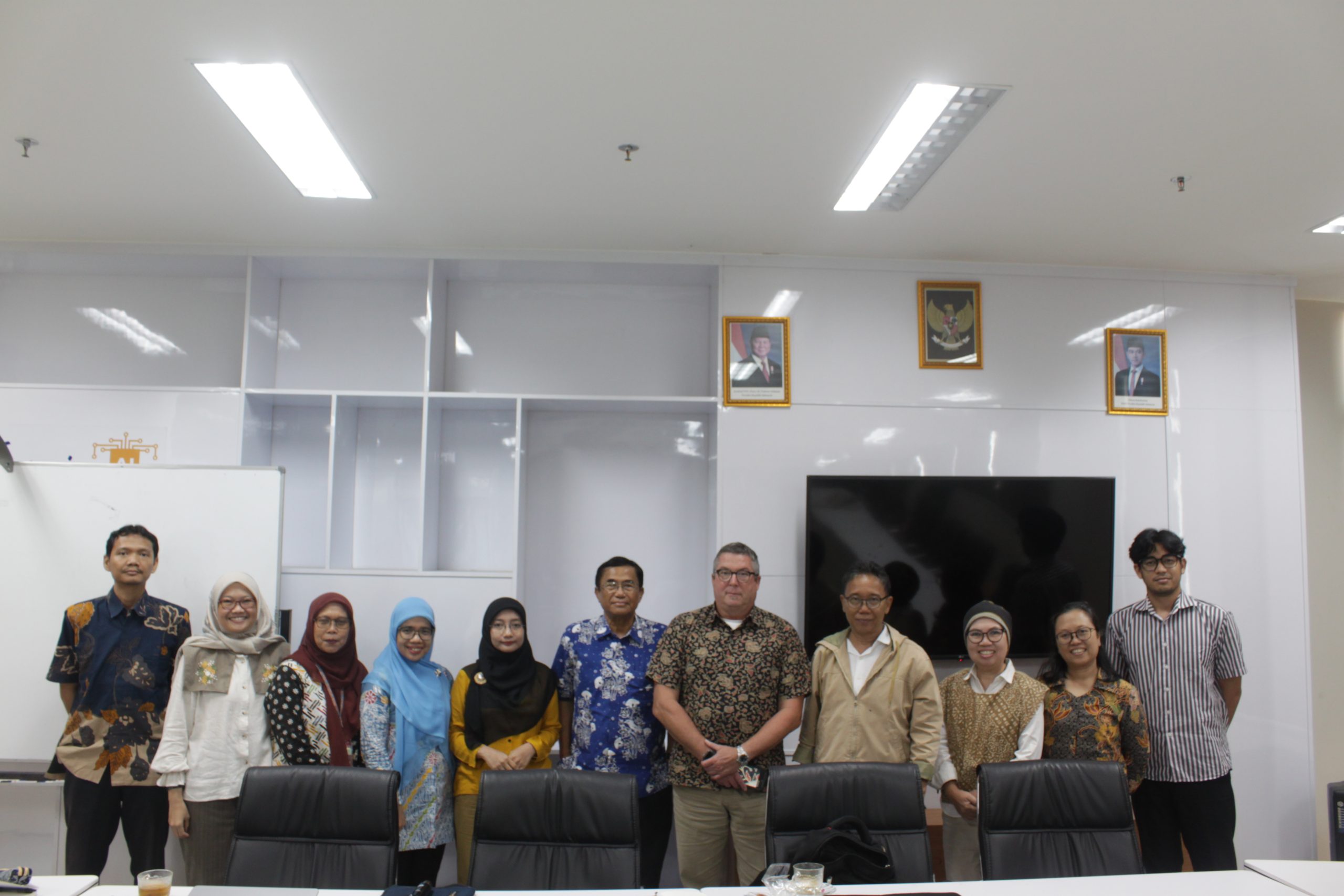
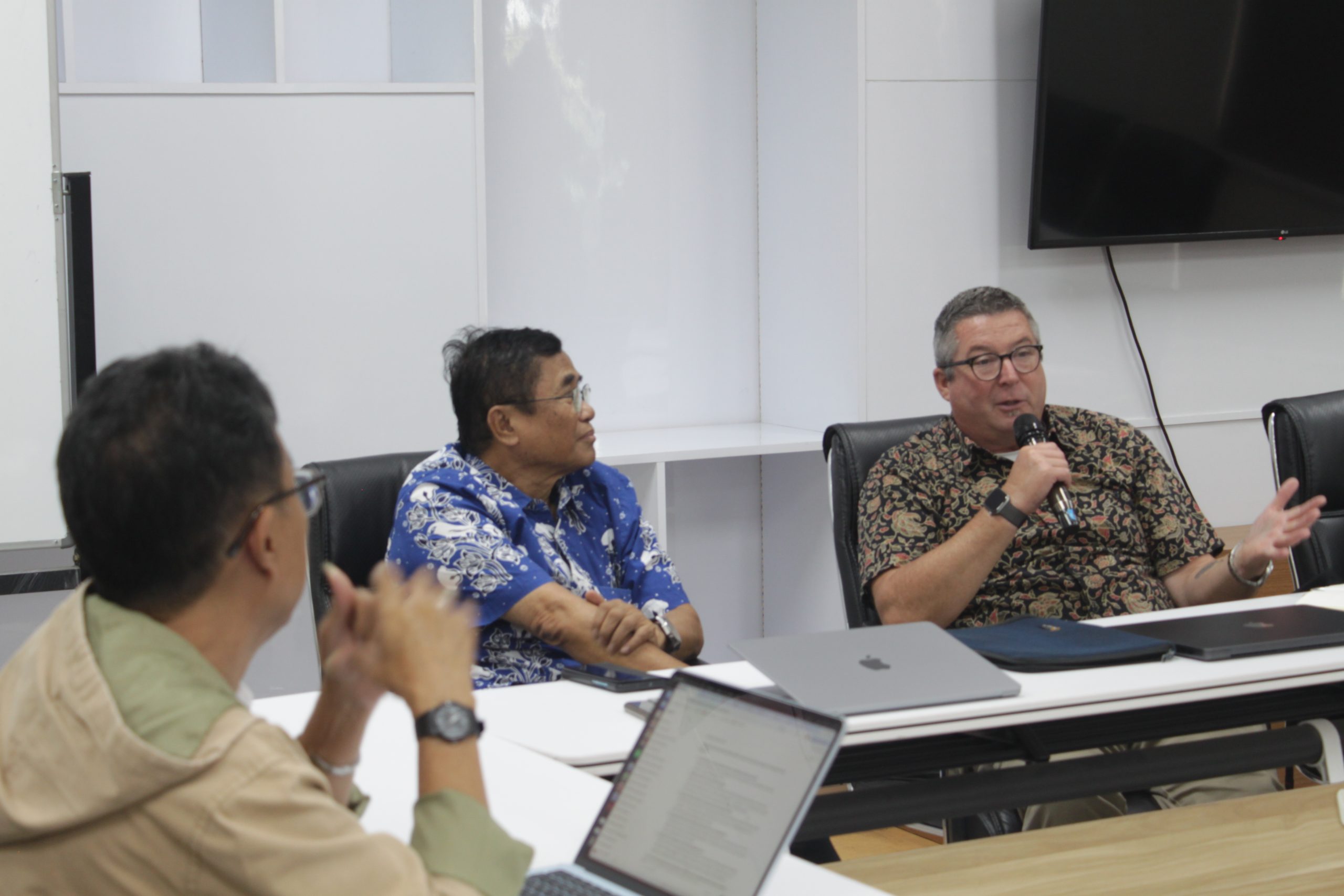
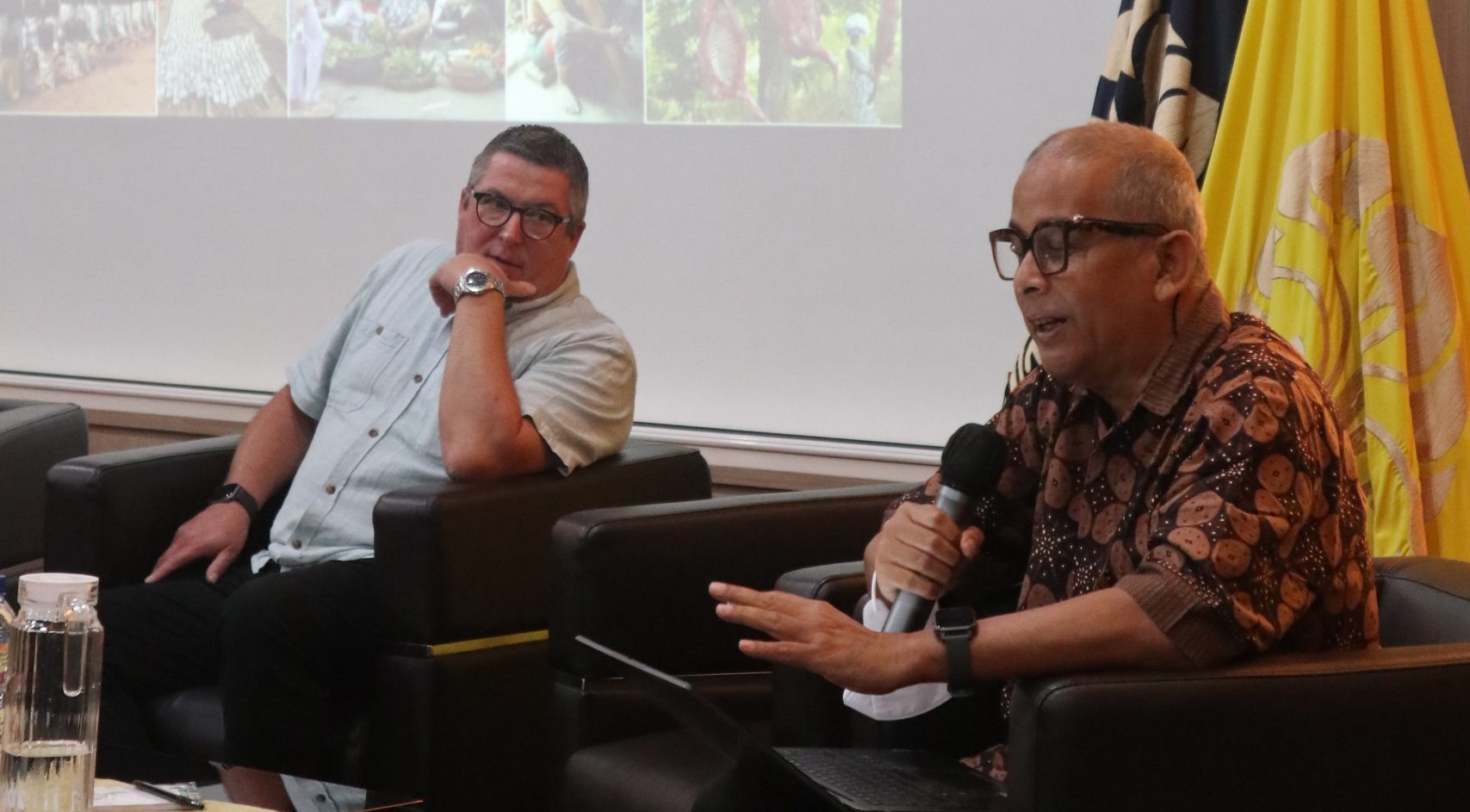
From June 15–19, 2026, the Department of Biology, FMIPA Universitas Indonesia, hosted Prof. Terry Sunderland from the University of British Columbia, Canada, under the UI-INSIGHT GRANT 2025/2026: International Visiting Professor & Guest Lecture Program. Over the course of five days, this program facilitated a series of guest lectures, workshops, and discussions aimed at students, researchers, and academics.
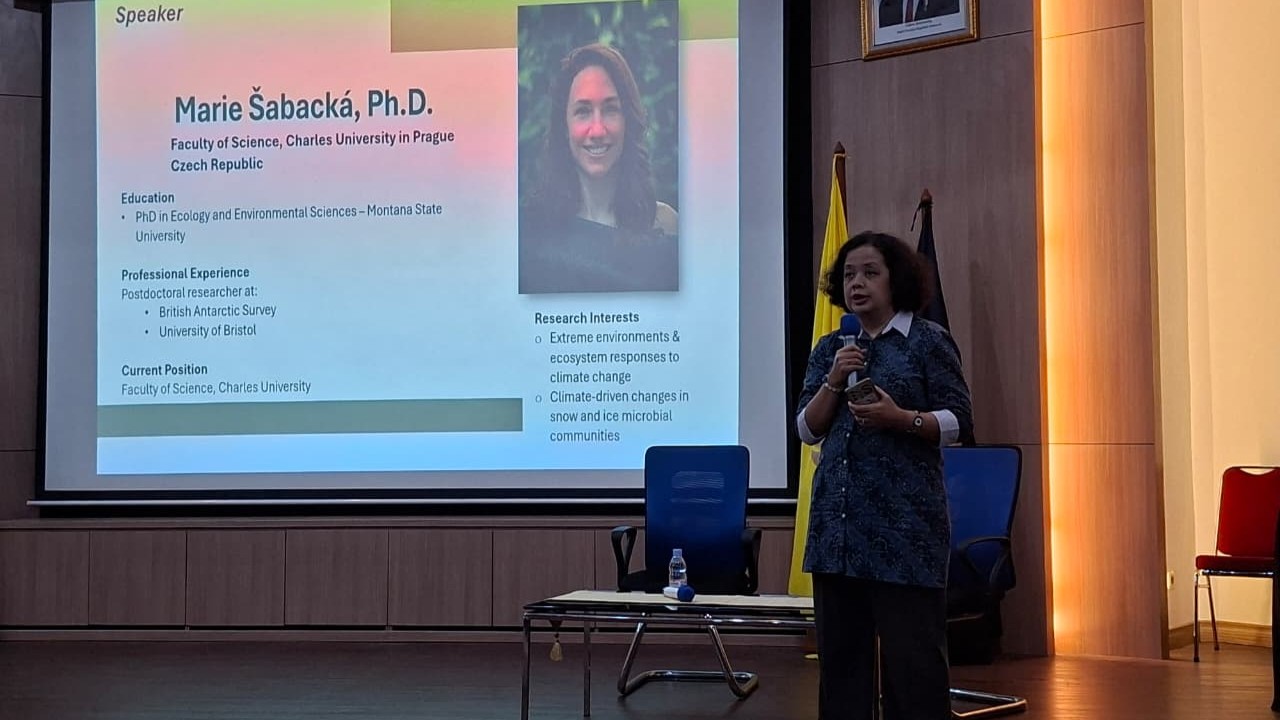
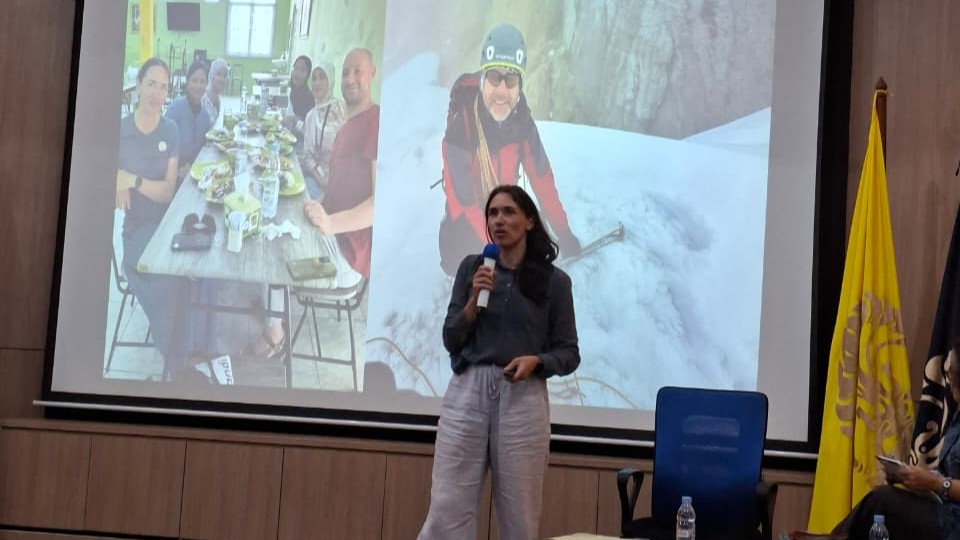

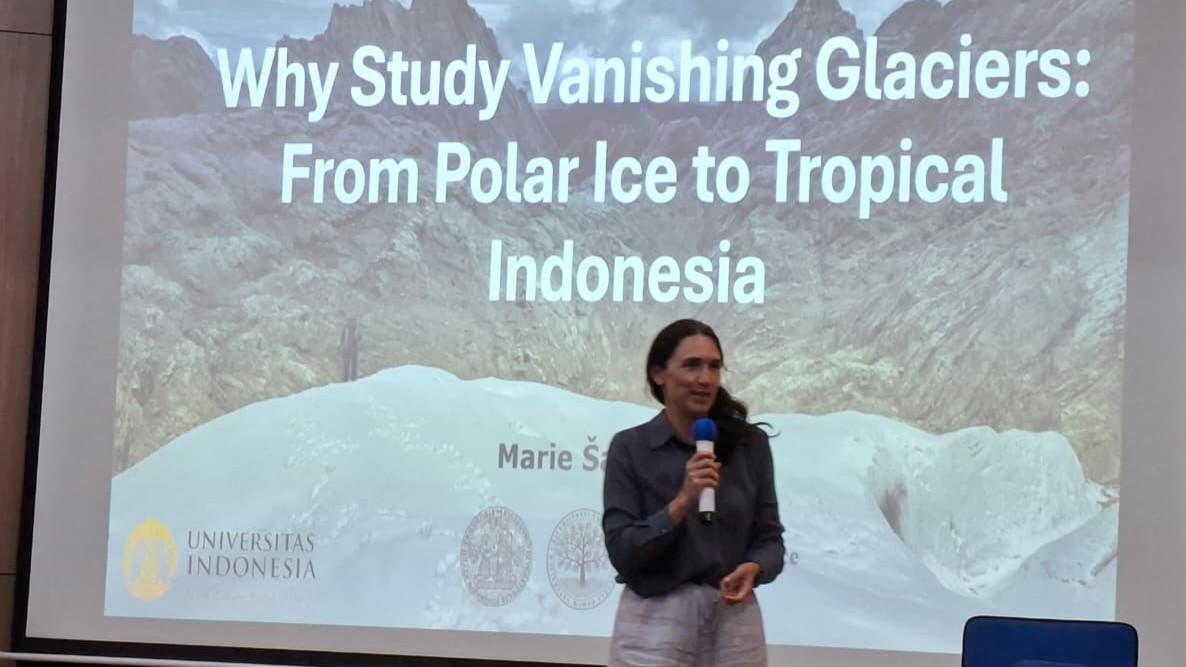
This seminar featured international guest speaker Marie Šabacka, Ph.D., who presented an insightful lecture titled “Why Study Vanishing Glaciers? From Polar Ice to Tropical Indonesia.” The event aimed to provide a comprehensive understanding of climate change issues and their tangible impacts on global ecosystems.
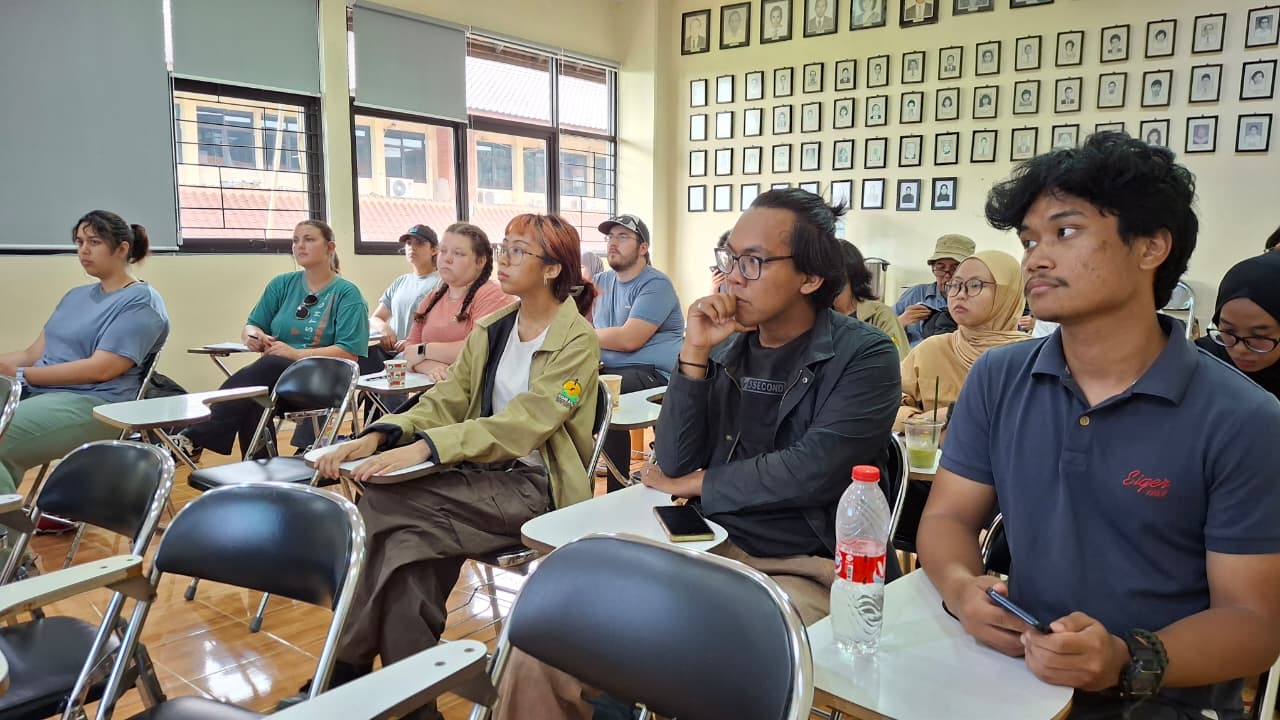


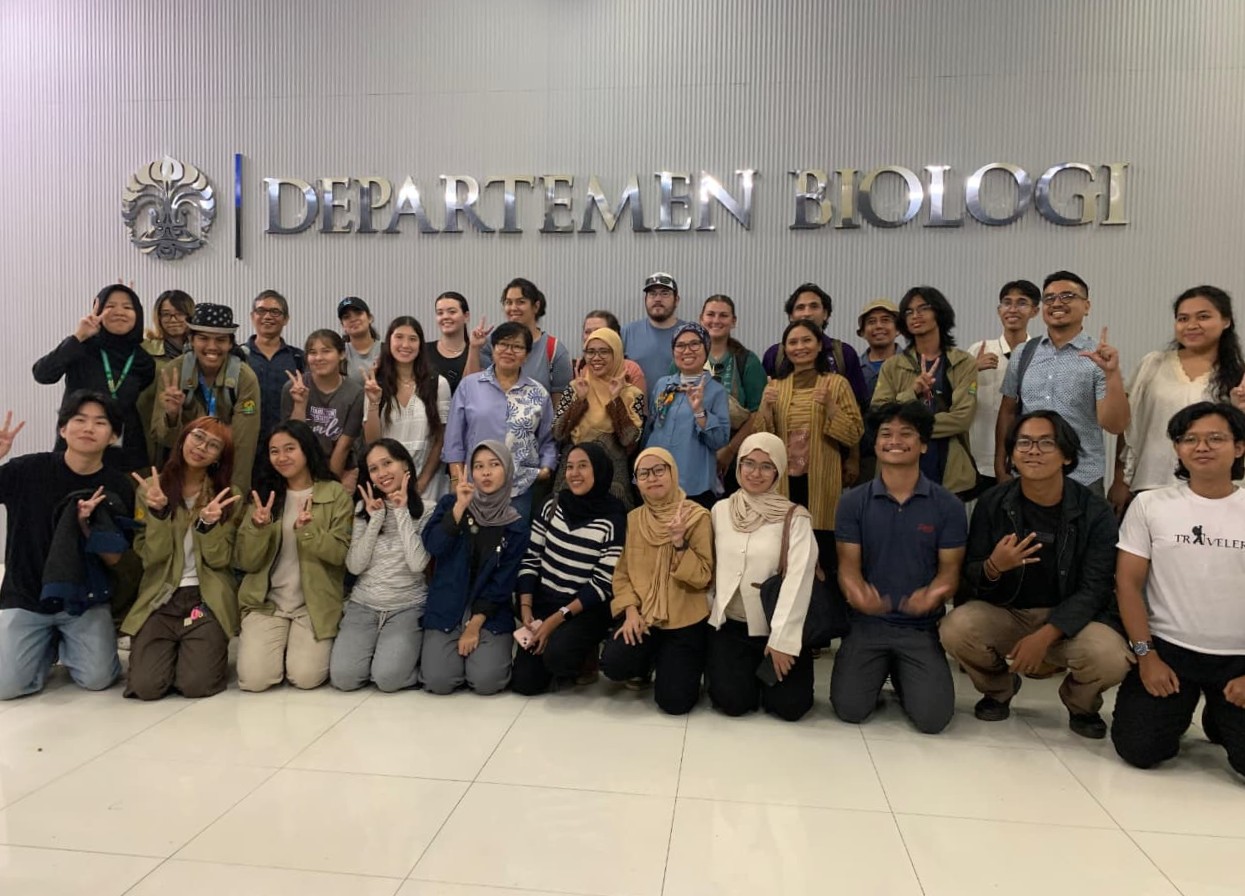

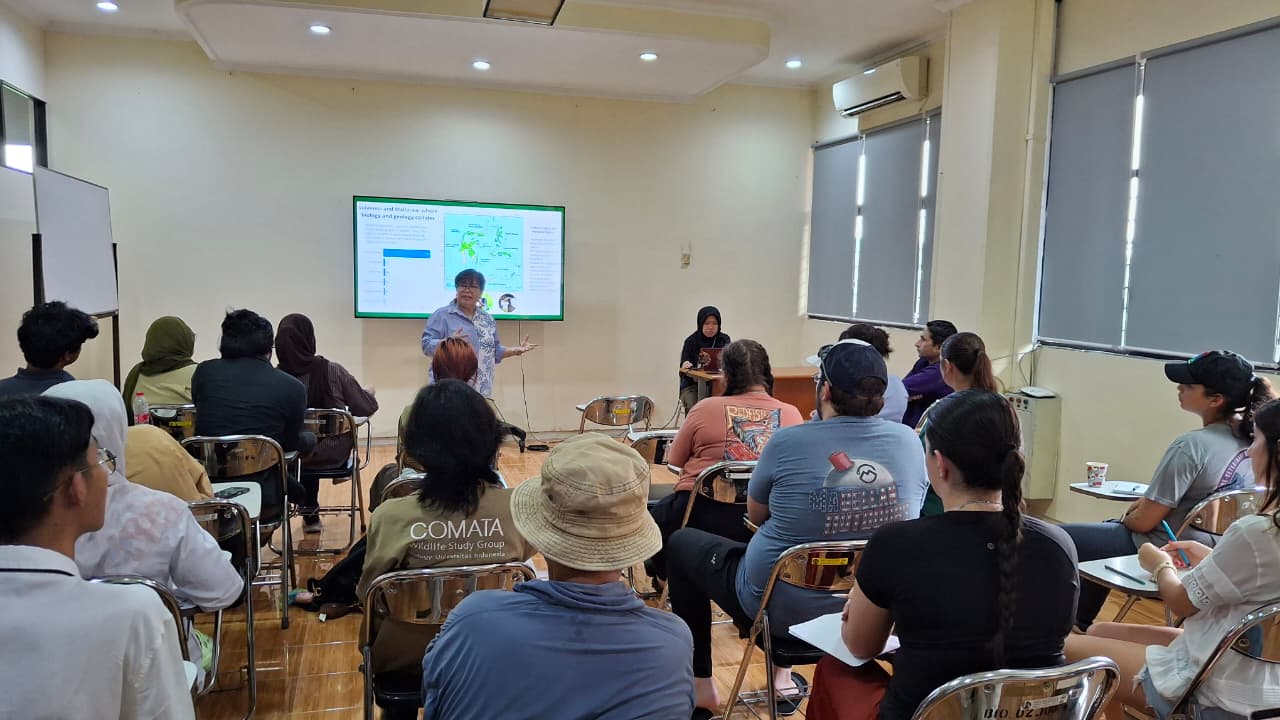
Exploring the front lines of biodiversity protection!
We were honored to host the “Biology Talk: Global Challenge in Wildlife Conservation” featuring esteemed speakers: Dr. Noviar Andayani (Department of Biology, Universitas Indonesia), Hemanta Kafley, Ph.D. (Tarleton State University), and Sunarto, Ph.D. (IUCN Species Survival Commission).
The session began with an insightful lecture where our speakers shared their expertise on the pressing global challenges facing wildlife conservation today. The academic discourse was followed by a hands-on field observation at the Universitas Indonesia Urban Forest, allowing participants to directly engage with local ecological dynamics and apply the concepts discussed earlier.