Research Pillars

The SYNAPSE-AI research roadmap is built upon four thematic pillars that work in synergy to transform raw data into actionable intelligence and immersive simulations.
AI-Powered Environmental Insight

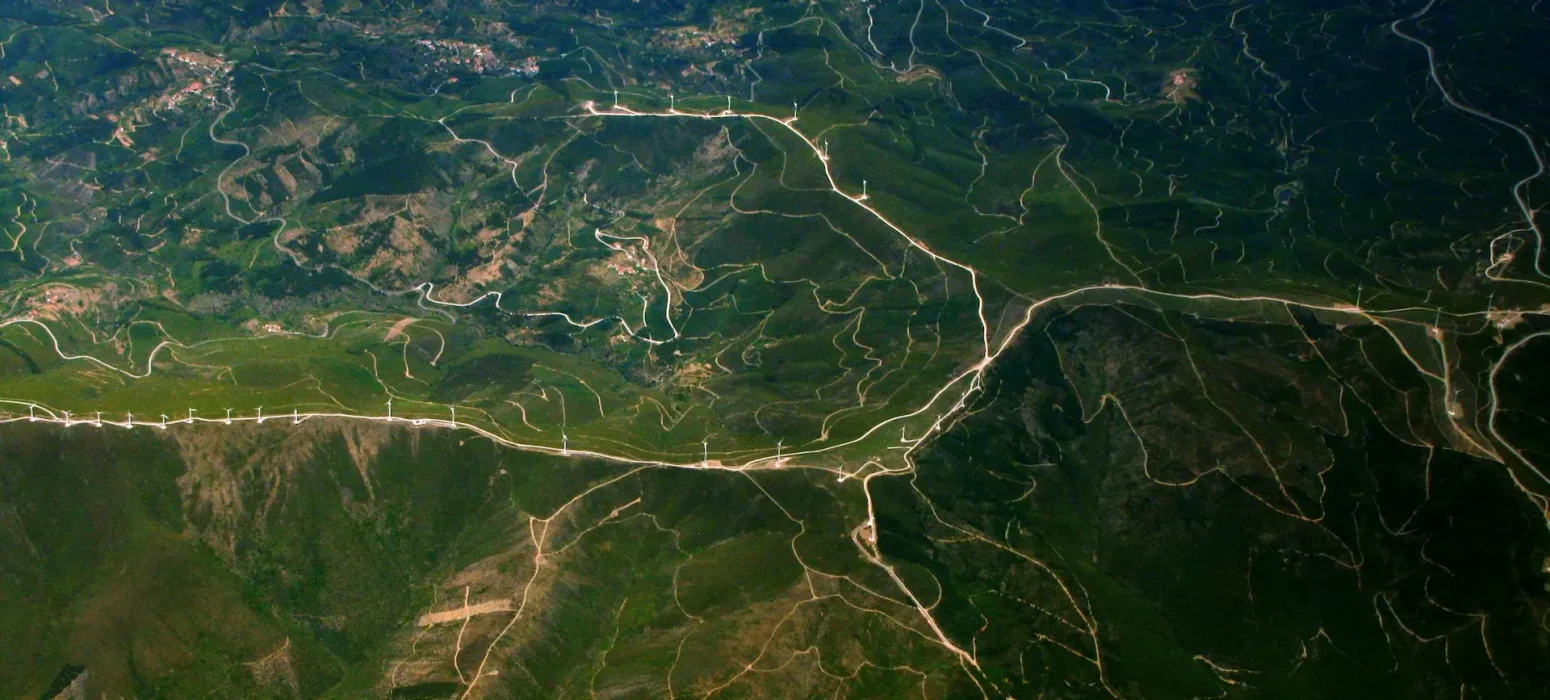
Intelligent Remote Sensing

We leverage state-of-the-art deep learning architectures to process and interpret high-resolution data from satellite constellations (SAR and Optical) and unmanned aerial systems (UAS). By developing custom neural networks, we transform raw pixels into actionable spatial intelligence, enabling real-time monitoring of complex ecosystems and addressing critical national challenges with scientific precision.

Food Security
Precision rice field mapping and predictive yield modeling.

Disaster Management
Rapid wildfire mapping and post-disaster response.

Sustainable Development
Environmental monitoring and illegal activity detection.

AI-Driven Diagnostics and Quality Control

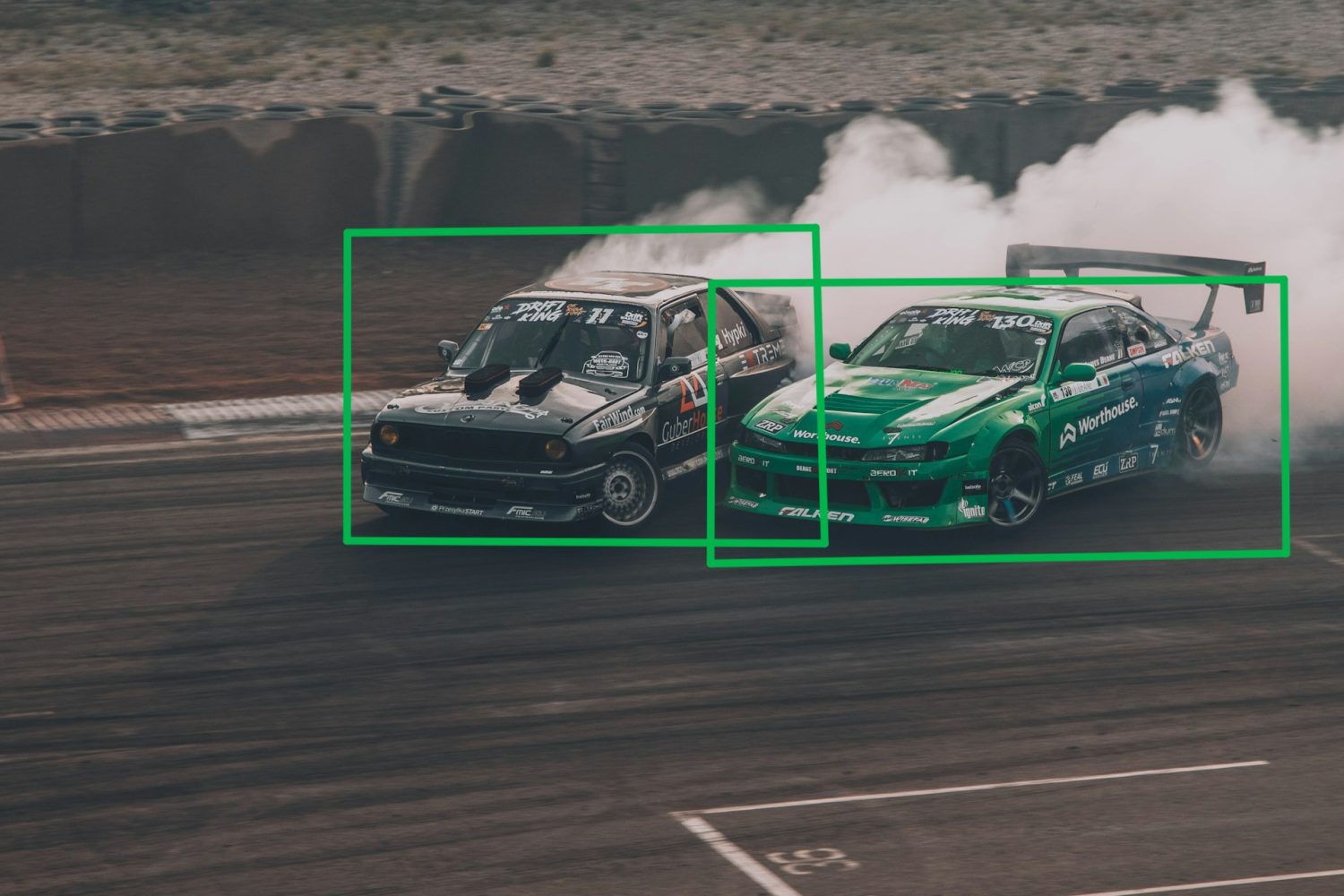
Medical and Industrial Vision

SYNAPSE-AI applies core expertise in image processing and computer vision to transform the healthcare and manufacturing sectors. We develop sophisticated algorithms designed to analyze complex visual data, enhancing diagnostic precision in medicine and streamlining production efficiency in industry. By bridging the gap between raw visual input and automated insight, we provide high-impact solutions for critical infrastructure.

Healthcare Analytics
Developing algorithms for radiology and pathology image analysis to improve diagnostic accuracy and efficiency.

Industrial Inspection
Engineering real-time automated visual systems to detect product defects and ensure rigorous quality control on production lines.

Operational Efficiency
Optimizing manufacturing workflows through AI-enhanced monitoring and automated visual feedback loops.
Automating Global Digital Transformation

Language and Document Intelligence

At the core of our research lies Natural Language Processing (NLP), dedicated to understanding and processing vast amounts of unstructured data. We build intelligent systems capable of autonomous document handling, enabling industries to transition from manual workflows to fully automated, data-driven processes. These capabilities are essential for modernizing administrative and financial sectors through advanced content understanding.

Automated Document Processing
Implementing intelligent classification and information extraction for financial and administrative documents.

Content Understanding
Developing models to interpret complex text-based data for better business intelligence and decision-making.

Process Automation
Supporting cross-industry digital transformation by streamlining high-volume document workflows.

Intuiting the Future of Human-AI Interaction

Immersive Simulation and Digital Twin

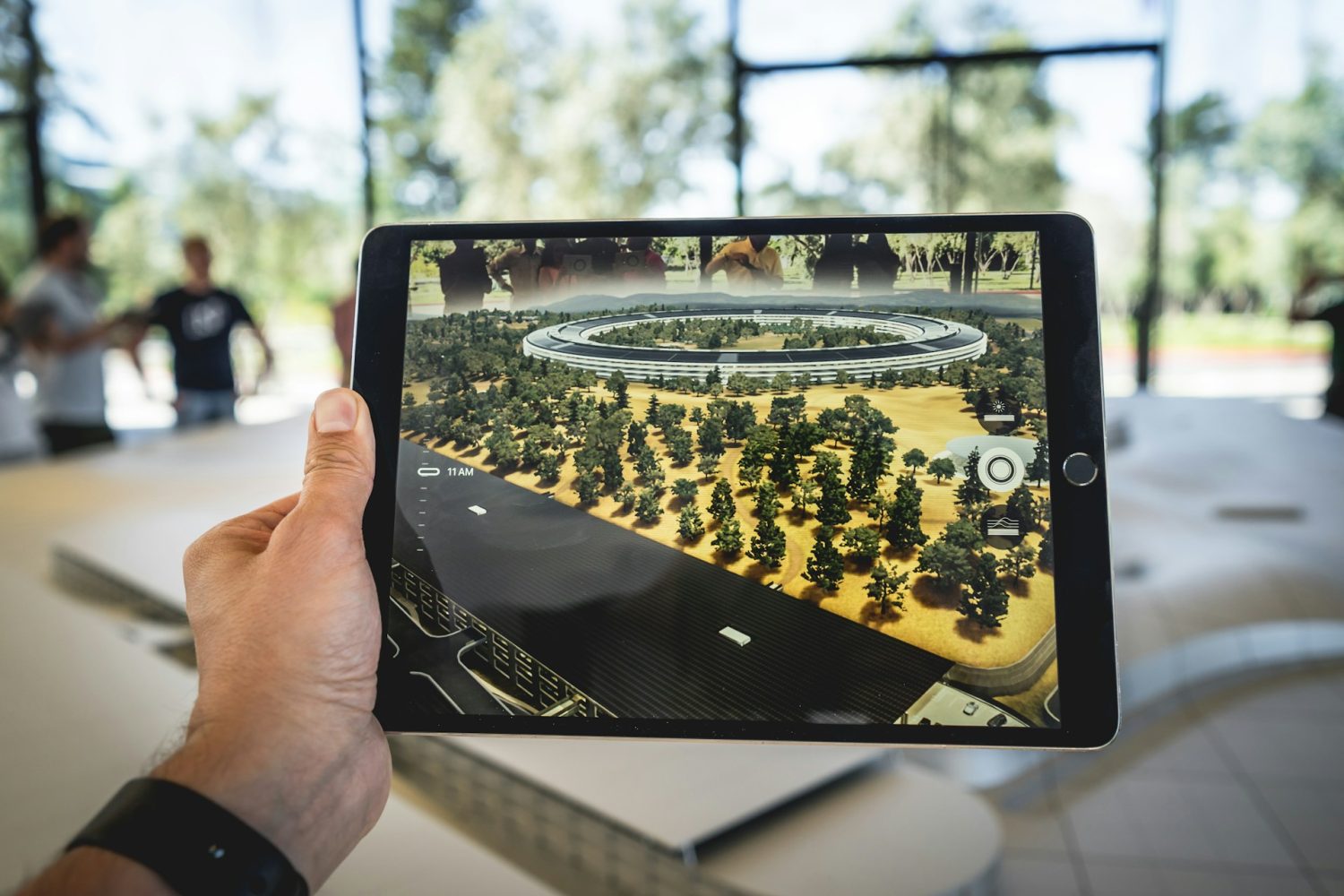
This pillar represents our long-term vision for creating intuitive interactions between humans and artificial intelligence. By integrating multimodal data from remote sensing and IoT sensors, we build functional Digital Twin platforms. Through Virtual Reality (VR) and Augmented Reality (AR), we provide immersive environments that allow leaders to visualize and test complex scenarios before they happen.

Functional Digital Twins
Integrating geospatial and IoT data to create accurate virtual replicas of physical assets and urban environments.

Strategic Simulation
Utilizing VR and AR to conduct “what-if” scenario analysis for urban planning and infrastructure management.

Collaborative Decision-Making
Creating immersive platforms that enable stakeholders to interact naturally with AI models for strategic planning.
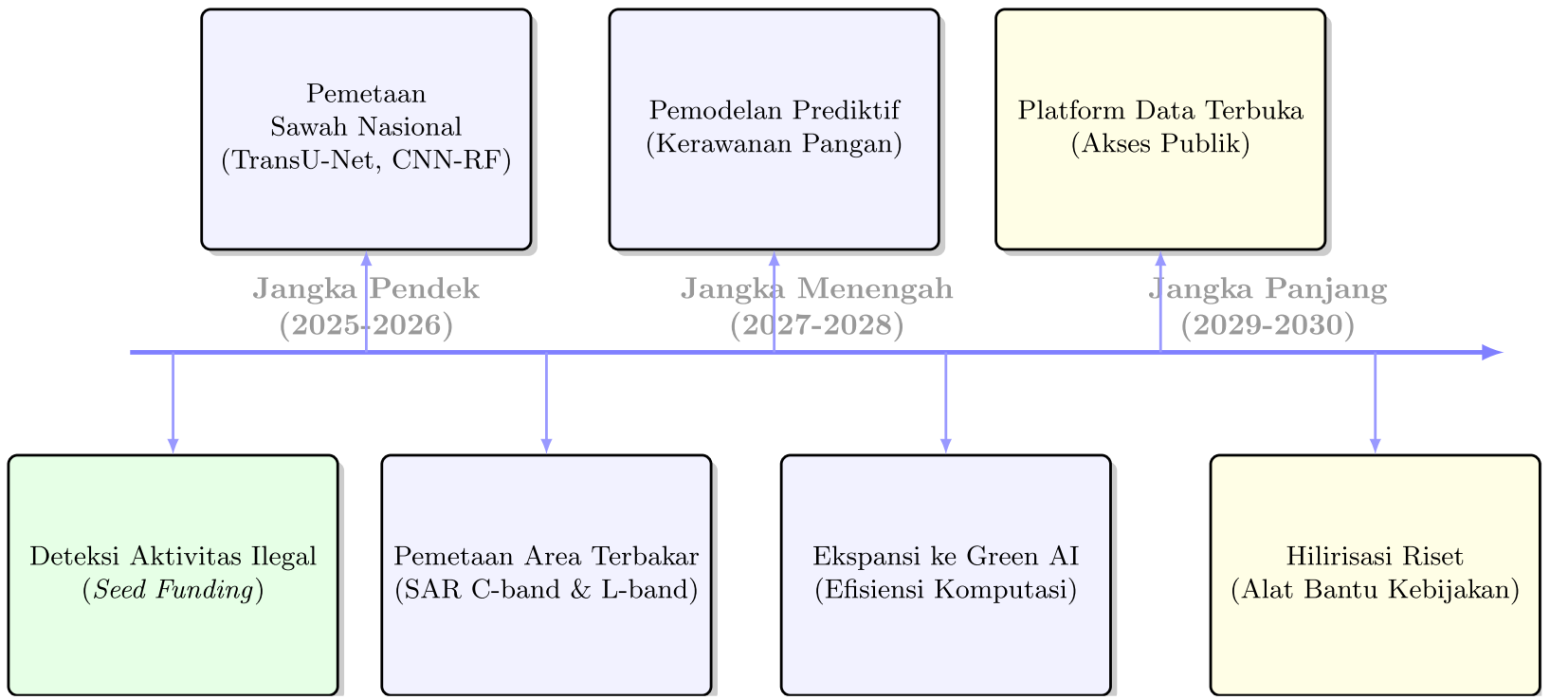
Roadmap #1: Advanced Remote Sensing

Implementing an integrated framework for food security and environmental resilience by advancing research from descriptive analytics toward predictive intelligence.
2025-2026
Foundation & Mapping
This phase establishes our research foundation using deep learning to map and detect environmental conditions. Key projects include national rice field mapping via TransU-Net and CNN-RF, alongside rapid disaster response using SAR C-band and L-band data for burned area analysis. These efforts facilitate early detection of illegal activities, serving as a catalyst for future seed funding and expanded monitoring.
2027-2028
Prediction & Optimization
This phase shifts toward predictive analysis and optimization. We are developing time-series models to forecast crop productivity and food vulnerability while integrating Green AI to ensure computational efficiency for large-scale monitoring. Additionally, we are initiating Digital Twin development to simulate environmental changes and urban planning within immersive VR/AR platforms.
2029-2030
Integration & Impact
The final phase focuses on knowledge dissemination and policy impact. We are launching a Public Open Data Platform to provide geospatial insights to government agencies and the public. By integrating predictive Digital Twins with real-time AI, our research matures into a strategic decision-support tool for national agencies like BRIN, KLHK, and the Ministry of Agriculture.

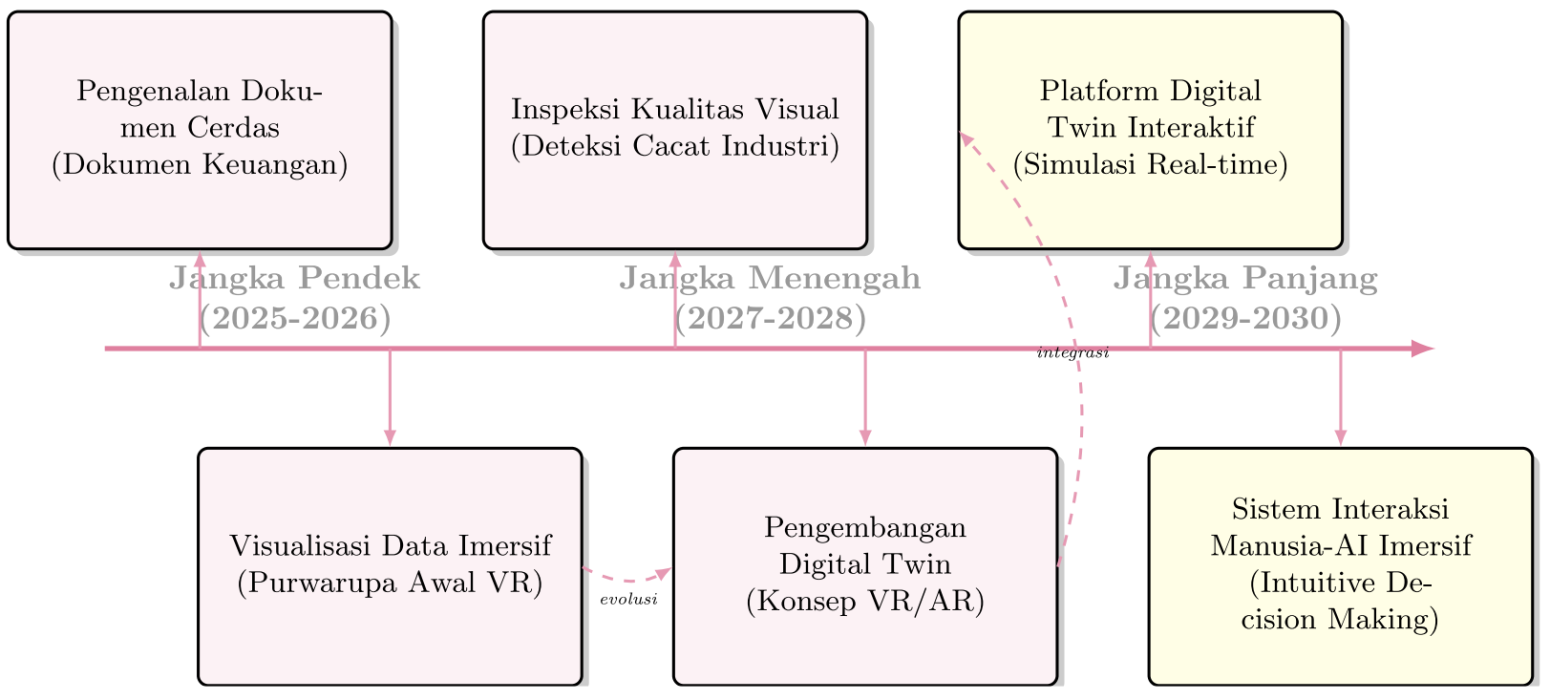
Roadmap #2: Visual Intelligence and Immersive Systems

Developing a roadmap that explores the convergence of physical and digital worlds by advancing from fundamental pattern recognition toward the creation of interactive and intelligent digital twin ecosystems.
2025-2026
Core Foundations
This phase focuses on establishing core capabilities in 2D document analysis for the financial sector and 3D spatial visualization via VR prototypes. By developing these foundational skills in computer vision and computer graphics, we are building the essential technical framework required for more complex, integrated systems in the future.
2027-2028
Complexity & Application
In this stage, SYNAPSE-AI expands into industrial visual inspection and matures immersive visualization into the Digital Twin framework. This marks a strategic shift from static data visualization toward dynamic environmental simulation, allowing for more sophisticated modeling of industrial and urban ecosystems.
2029-2030
Integration & Interaction
The long-term vision focuses on full integration and natural Human-AI interaction. We are evolving the Digital Twin into an interactive platform powered by predictive AI, creating an intuitive immersive environment. This system aims to revolutionize urban planning and industrial asset management through seamless data interaction.