Hastin Setiani, Dwita Sutjiningsih, and Riri Fitri Sari Universities are increasingly adopting the “living laboratory” model to implement and evaluate sustainability innovations, including water management practices. As higher education institutions promote integrated sustainability policies, academic programs, and infrastructure initiatives, understanding the behavioral dynamics that shape water-saving practices becomes critical. While the Theory of Planned Behavior...Read More
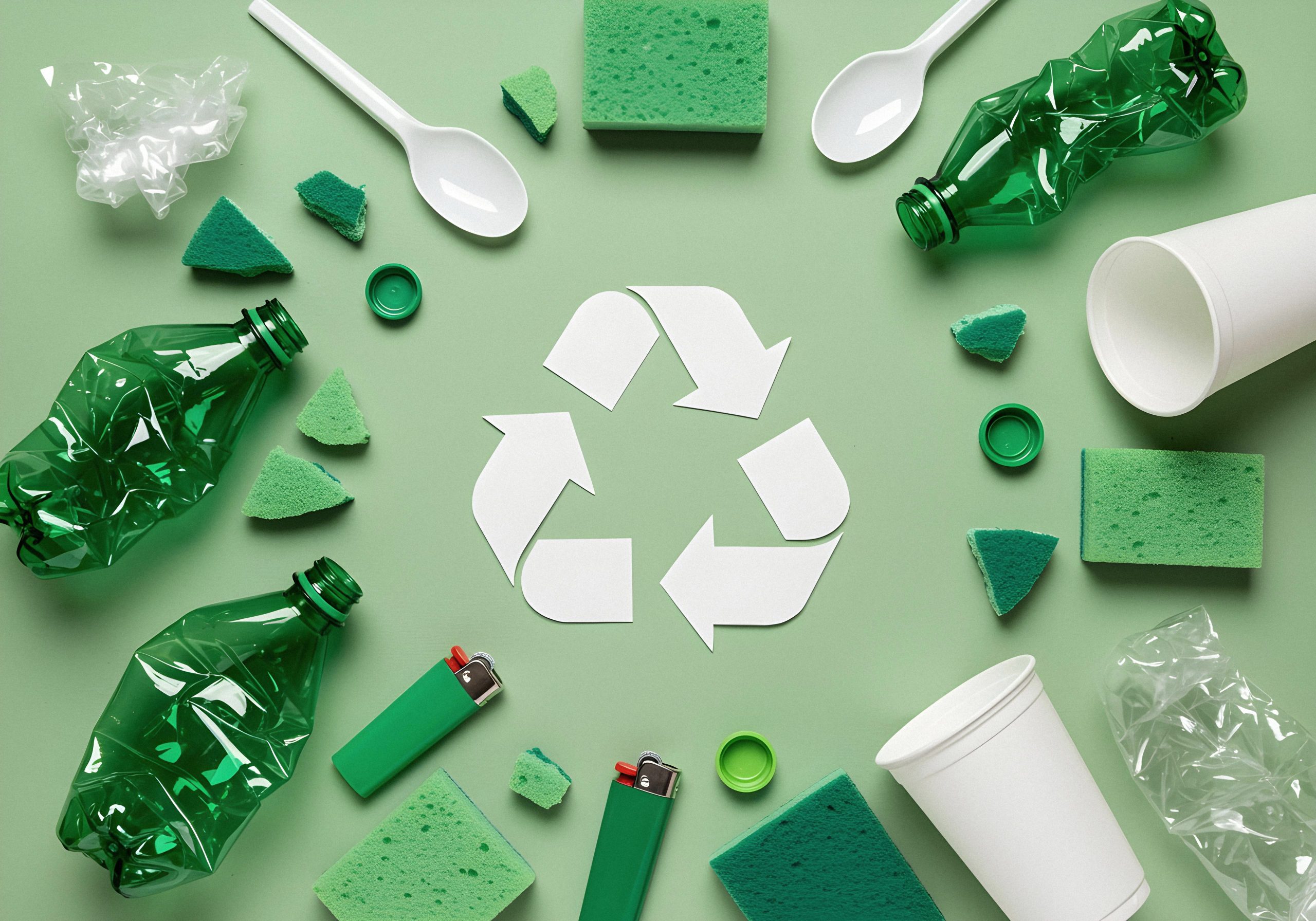
Djoko Mulyo Hartono and Cindy Rianti Priadi This educational enrichment book provides structured learning materials on waste management for junior and senior high school teachers. Published by the Deputy for Environmental and Forestry Management Coordination, Coordinating Ministry for Maritime Affairs and Investment, the book aims to strengthen environmental literacy and promote responsible waste management practices...Read More
Ahyahudin Sodri and Herdis Herdiansyah Sustainability challenges have become a defining global concern. However, identifying root causes and setting policy targets alone are insufficient to generate meaningful transformation. Achieving sustainability requires behavioral change supported by individuals, organizations, and communities. The persistent gap between awareness and action, policy and practice, and scientific knowledge and behavior remains...Read More
Mahawan Karuniasa and Thoriqi Firdaus Indonesia has articulated ambitious green economy objectives through frameworks such as the Low Carbon Development Initiative (LCDI). Despite this ambition, a critical research gap persists: the weak “green political capabilities” of policymakers—defined as their ability to navigate political processes, build coalitions, and translate technical knowledge into viable policy—hinder effective agenda-setting...Read More
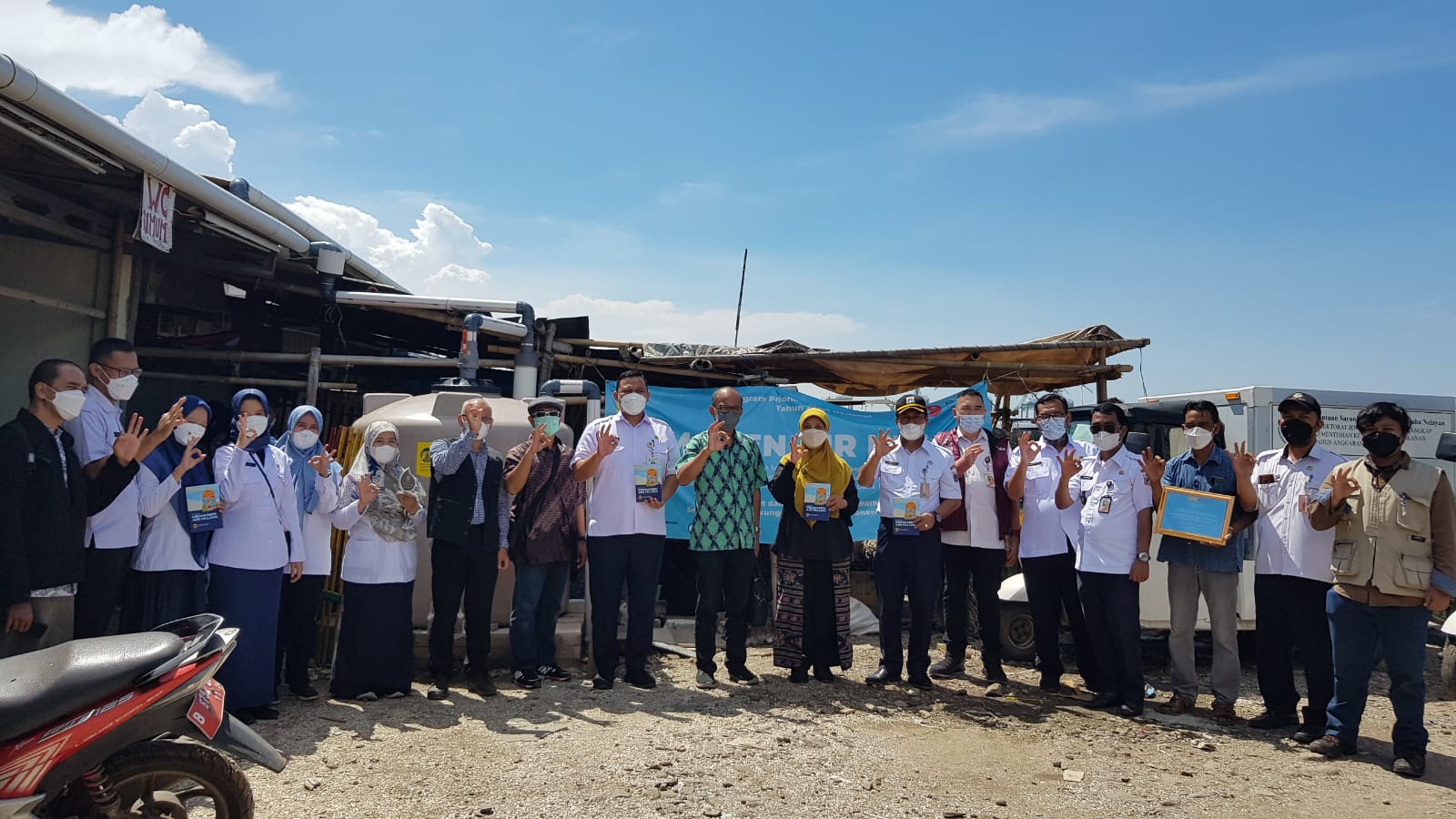
The Research Cluster on Sustainable Development, Built Environment, and Climate Change, Universitas Indonesia, in collaboration with Badan Riset dan Inovasi Nasional (BRIN), implemented a community-based water resilience program in Kalibaru. This collaboration focused on strengthening local adaptive capacity through the development of sustainable water infrastructure, including rainwater harvesting systems and environmental management interventions. The program...Read More
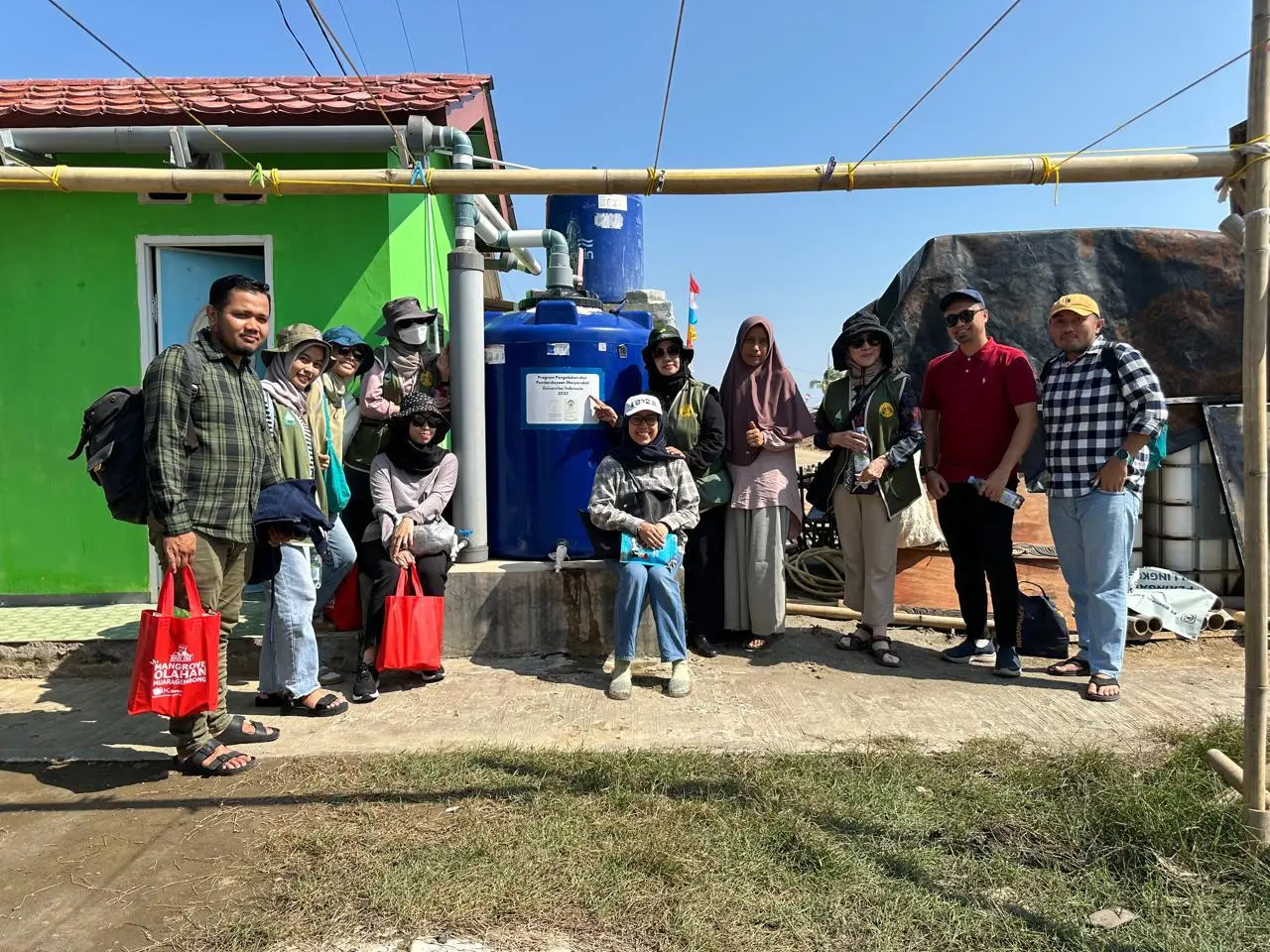
The Research Cluster on Sustainable Development, Built Environment, and Climate Change at Universitas Indonesia implemented a community engagement program in Muara Gembong focused on improving clean water access through the installation of Rainwater Harvesting (RWH) systems. This initiative aims to address water scarcity and environmental vulnerability in coastal areas by providing decentralized, climate-adaptive water infrastructure....Read More