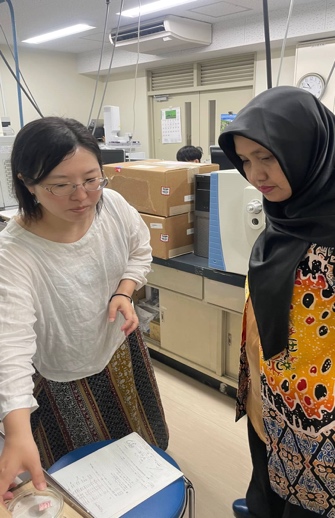
On 15 June 2026, Dr. Hayati Sari Hasibuan, a lecturer and research manager at Universitas Indonesia’s School of Sustainable Development (SPPB UI), visited the Laboratory of Organic Geochemistry (LOG) at the Tokyo University of Agriculture and Technology (TUAT), Japan. The visit formed part of UI’s Outbound Mobility–Matchmaking Research Interest program and focused on potential cooperation...Read More
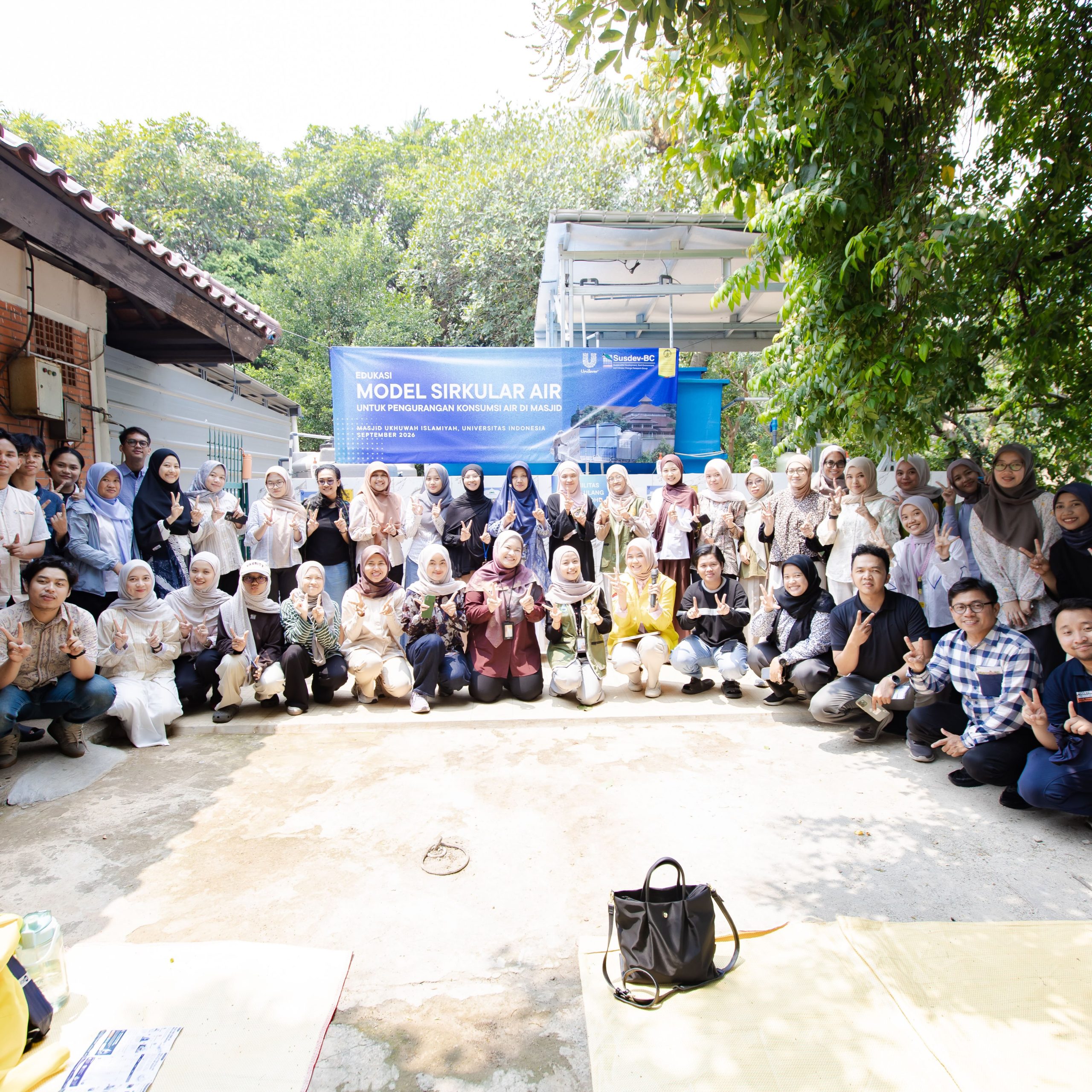
What happens to water after ablution? At Masjid Ukhuwah Islamiyah on Universitas Indonesia’s Depok campus, a collaborative project is exploring how it can be treated and used again. On 1 September 2026, the Sustainable Development, Built Environment and Climate Change (Susdev-BC) research cluster of UI’s School of Sustainable Development (SPPB UI) and Yayasan Unilever Indonesia...Read More
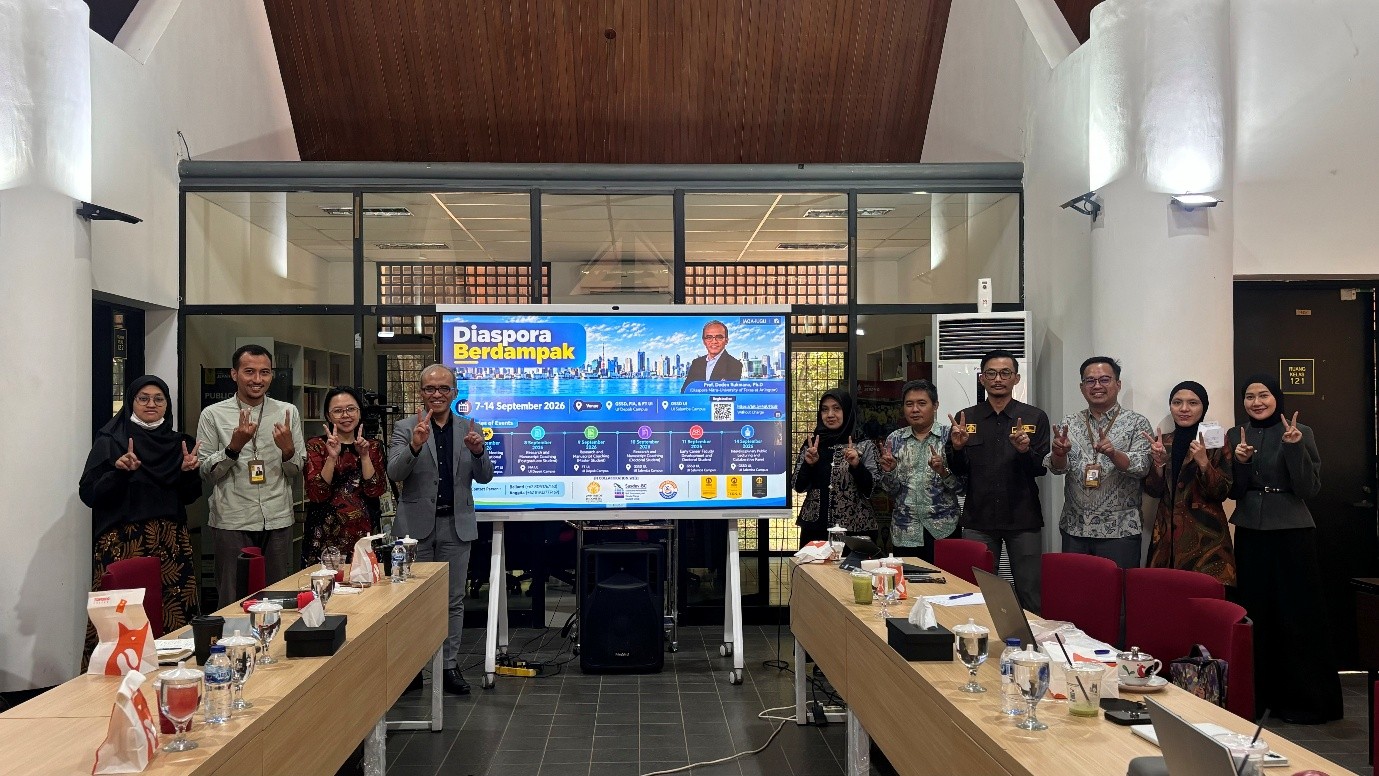
From 7 to 14 September 2026, Universitas Indonesia (UI) held Diaspora Berdampak 2026, a series of meetings, workshops, and research supervision sessions on sustainable urban planning. The program brought together the School of Sustainable Development (SPPB UI), Faculty of Engineering (FT UI), and Faculty of Administrative Sciences (FIA UI). Led by Dr. Hayati Sari Hasibuan,...Read More
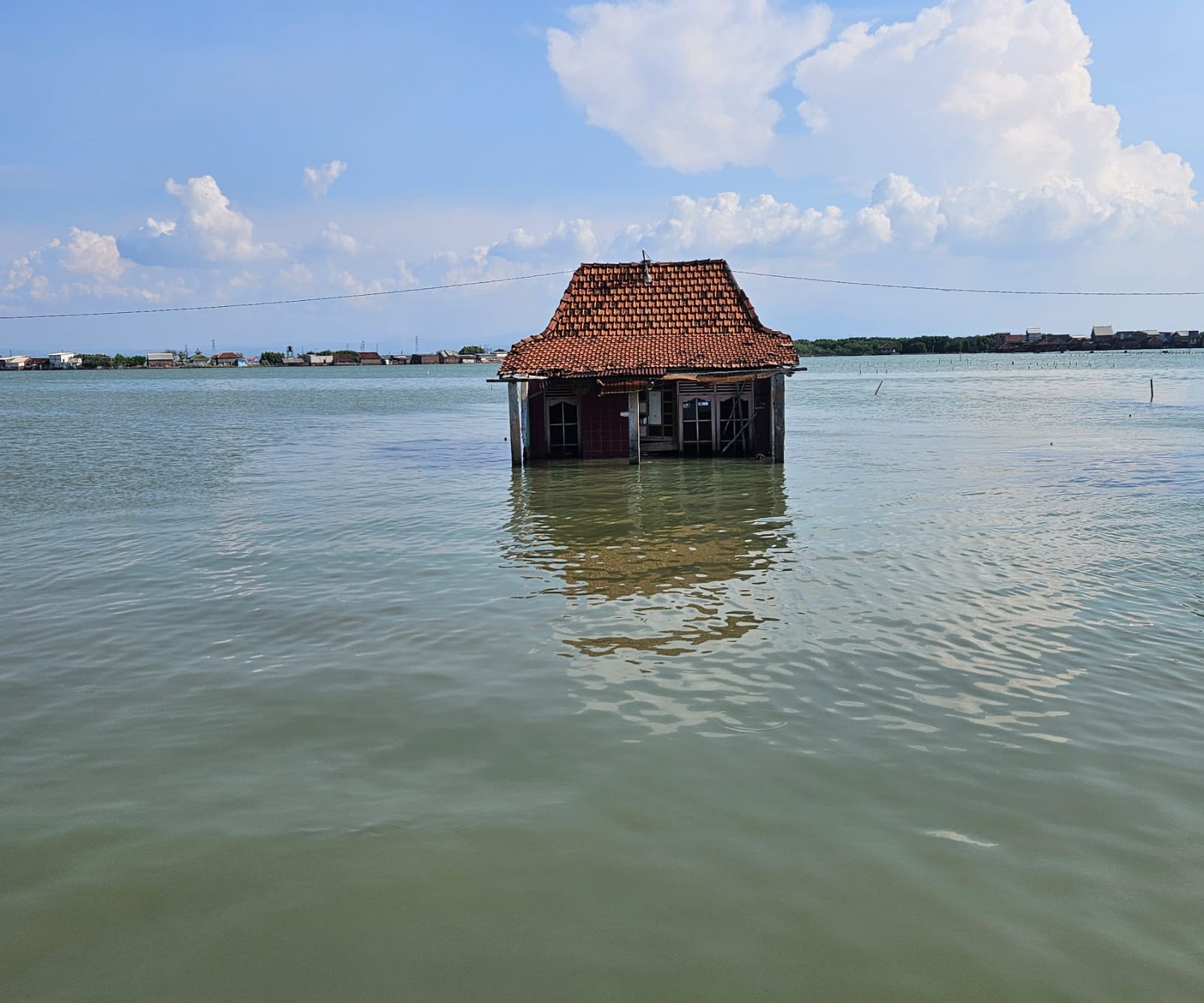
University of Indonesia, in collaboration with the University of Melbourne, Swinburne University of Technology, and the NGO Kiara, conducted a community mapping activity in Timbusloko Village on May 1–2, 2026. This activity focused on the four hamlets (dukuh) most impacted by tidal flooding: Bogorame, Wonorejo, Karanggeneng, and Mbloko. The activity aimed to map the impact...Read More
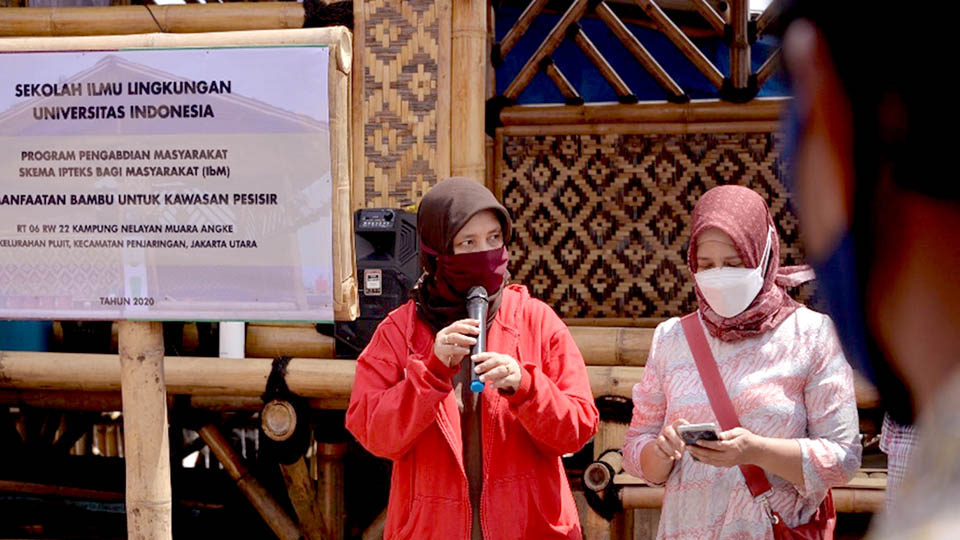
The Research Cluster on Sustainable Development, Built Environment, and Climate Change, Universitas Indonesia, in collaboration with the School of Environmental Science (SIL UI), has successfully implemented a community empowerment project through the construction of a “Balai Bambu” (Bamboo Hall) in the Muara Angke fisherman village, North Jakarta. This initiative serves as a multifunctional public space...Read More
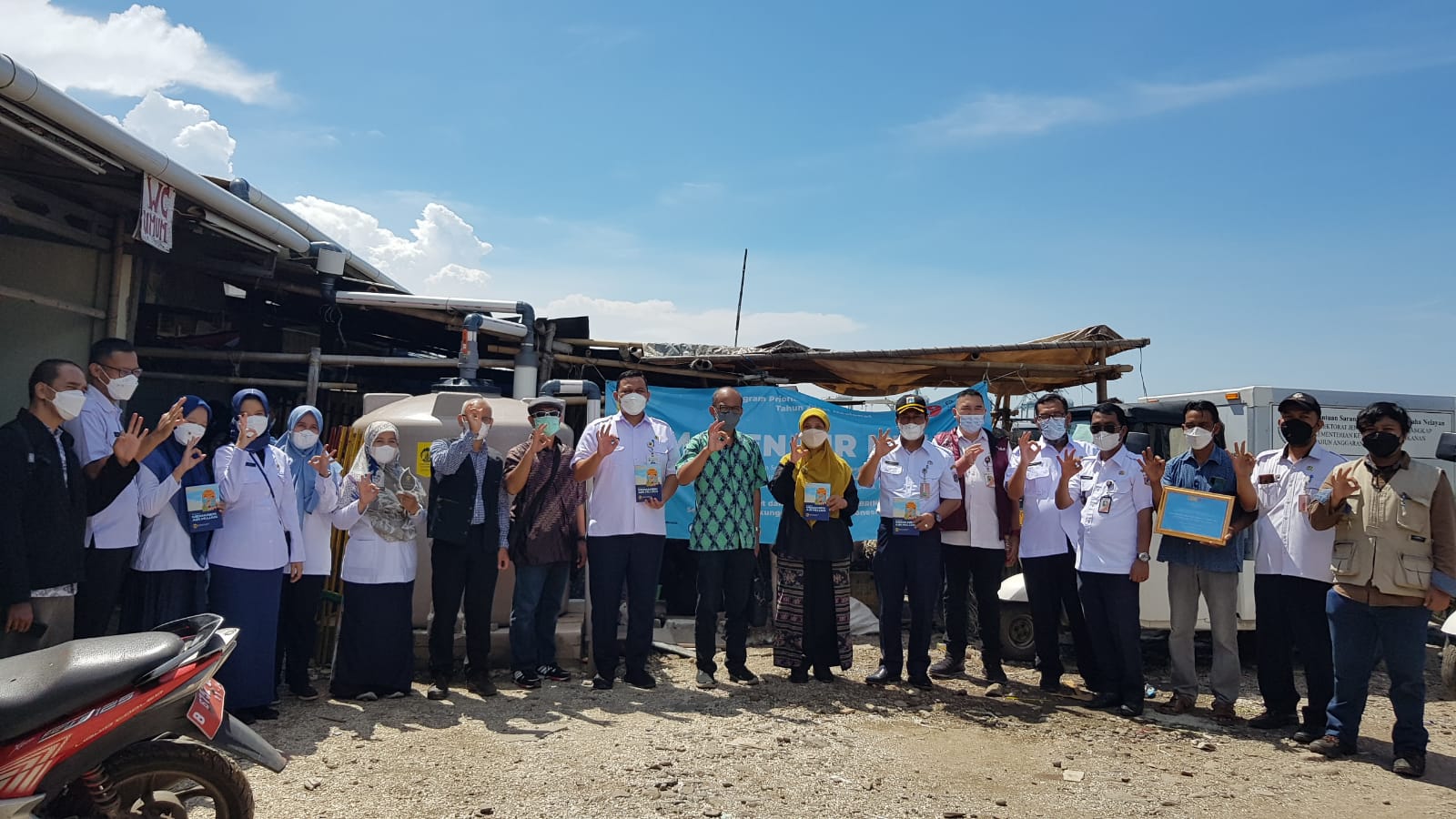
The Research Cluster on Sustainable Development, Built Environment, and Climate Change, Universitas Indonesia, in collaboration with Badan Riset dan Inovasi Nasional (BRIN), implemented a community-based water resilience program in Kalibaru. This collaboration focused on strengthening local adaptive capacity through the development of sustainable water infrastructure, including rainwater harvesting systems and environmental management interventions. The program...Read More
The Research Cluster on Sustainable Development, Built Environment, and Climate Change initiated a community-based Rainwater Harvesting (RWH) installation program in Labuan Bajo, one of Indonesia’s premium tourism destinations. This project aimed to enhance local water resilience by providing sustainable water infrastructure while strengthening community capacity in water resource management. Through participatory engagement, technical implementation, and...Read More
The Research Cluster on Sustainable Development, Built Environment, and Climate Change at Universitas Indonesia, under the leadership of Prof. Dr. Hayati Sari Hasibuan, collaborated with the Ministry of Education, Culture, Research, and Technology (Kemdikbud) in implementing a community-based Rainwater Harvesting (RWH) program in Kalibaru. This initiative was carried out as part of a community service...Read More
The Research Cluster on Sustainable Development, Built Environment, and Climate Change, Universitas Indonesia, in collaboration with PT Bayer Indonesia, implemented a community-based Rainwater Harvesting (RWH) initiative to strengthen local water resilience and sustainable water management practices. This collaboration focused on the design, construction, and technical supervision of rainwater harvesting infrastructure to improve access to clean...Read More
This initiative represents a strategic collaboration between Unilever and the Research Cluster on Sustainable Development, Built Environment, and Climate Change at Universitas Indonesia under the Water Stewardship Program (2022–2026). The program focuses on advancing community-based water sustainability through applied environmental technology and infrastructure development. Key implementations include the Water Recycling (WR) Wudhu system installed in...Read More