
Understanding the roots and manifestations of radicalism, extremism, and terrorism is crucial in today’s global landscape. These phenomena often arise from complex socio-political, economic, and psychological factors. By examining the motivations and ideologies behind such actions, we can develop more effective strategies for prevention and intervention.

Group dynamics play a significant role in both conflict and peace-building efforts. The way individuals interact within groups can either escalate tensions or foster reconciliation. Understanding these psychological processes is key to creating sustainable peace and resolving conflicts.
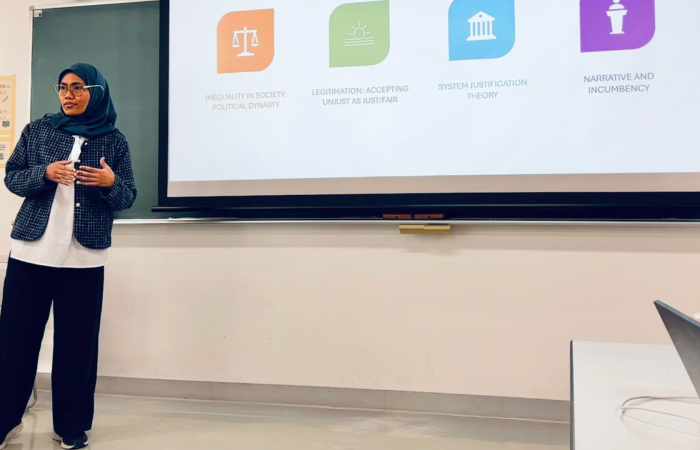
Ideologies often provide individuals with a sense of purpose and direction. They shape our beliefs, values, and actions, influencing how we perceive the world and our place within it. Exploring the connection between ideology and the search for meaning can offer insights into human behavior and societal trends.
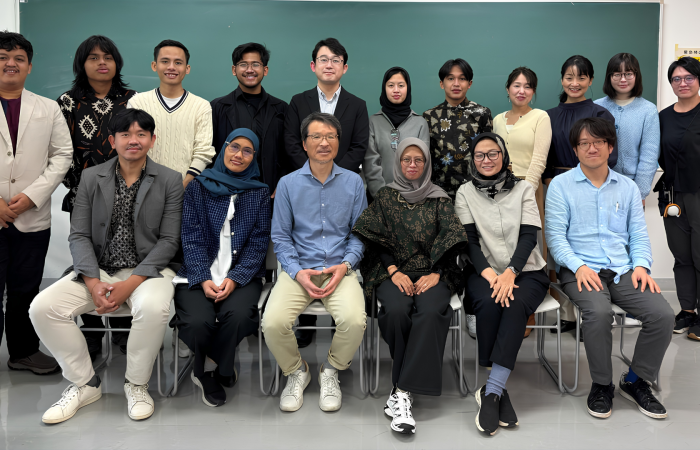
Political cognition involves the mental processes that underlie political thought and decision-making. It encompasses how individuals perceive, interpret, and respond to political information. Understanding these cognitive mechanisms can help explain political attitudes and behaviors.
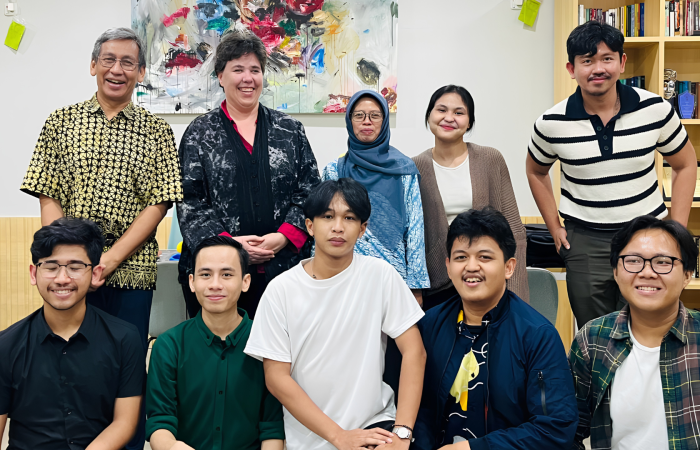
Political behavior refers to the actions and activities through which individuals and groups express their political preferences and influence political outcomes. This includes voting, protesting, lobbying, and other forms of political engagement. Analyzing these behaviors provides valuable insights into the functioning of political systems.