Explore ideas that shape the world through research, education, and meaningful dialogue. At CILS, we connect scholars, students, and practitioners to advance international law and inspire the next generation of global legal thinkers.
The Center for International Law Studies (CILS) of the Faculty of Law, University of Indonesia, was established on January 21, 2003, under the initiative of Professor Melda Kamil Ariadno, S.H., LL.M., Ph.D.
The CILS aims is to analyse existing international legal issues and their implications for social and state life in Indonesia, and to analyze whether international law binding on Indonesia has been effectively implemented.
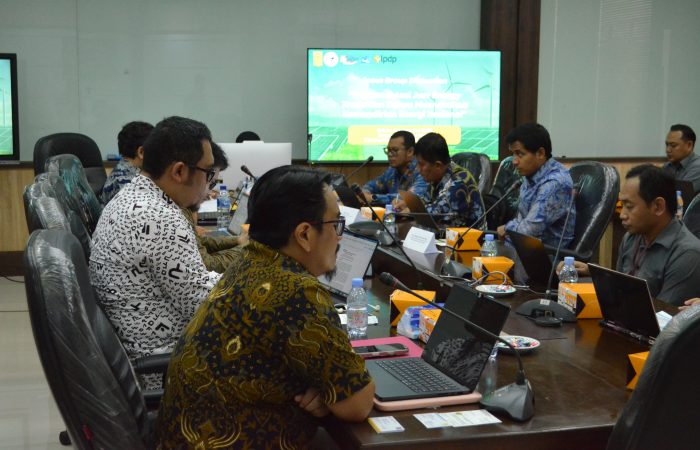
CILS conducts high-quality legal research on contemporary issues in international law, contributing to academic discourse, policy development, and legal reform at both the national and international levels.
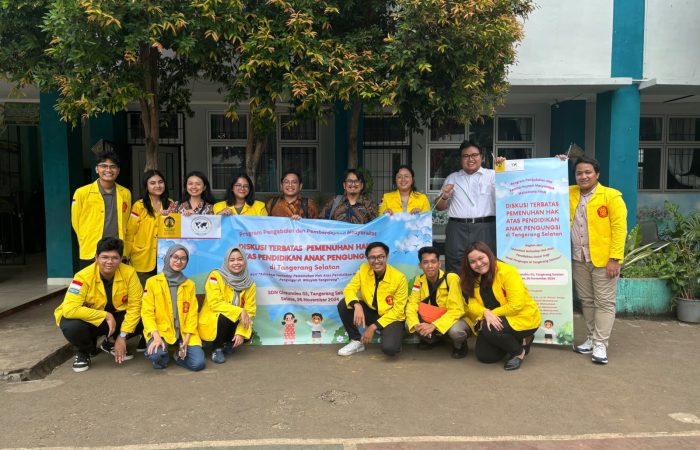
CILS is committed to promoting public understanding of international law through legal outreach, capacity-building programs, and community engagement initiatives that bridge academic knowledge with societal needs.
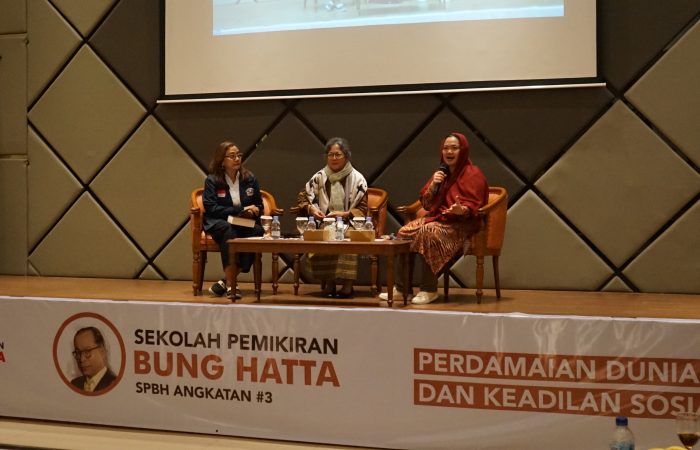
CILS organizes seminars, workshops, public lectures, and specialized training programs designed to enhance knowledge, professional skills, and practical expertise in various fields of international law.
CILS manages the Indonesian Journal of International Law (IJIL), a peer-reviewed academic journal dedicated to publishing high-quality scholarship on public and private international law, fostering intellectual exchange within Indonesia and the global legal community.
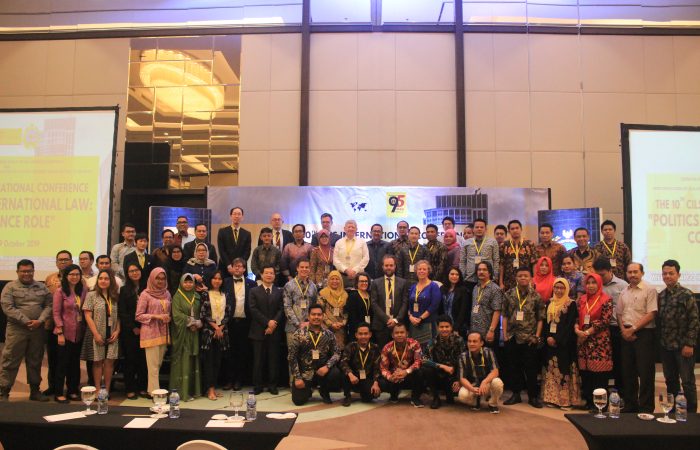
An annual flagship conference that brings together scholars, practitioners, policymakers, and students from around the world to exchange ideas and discuss emerging developments in international law.
International law encompasses a broad range of legal disciplines that regulate relations between States, international organizations, businesses, and individuals. As global challenges continue to evolve, these fields provide the legal framework for addressing issues such as human rights, international trade, investment, environmental protection, armed conflict, maritime affairs, and dispute settlement, fostering international cooperation, justice, and sustainable development.