About Us
The Digitalization of Tax Administration (DTA) Research Cluster is a research group within the Department of Fiscal Administration, Faculty of Administrative Sciences, Universitas Indonesia. Established as an evolution of the former Tax Politics (PolTax) and Tax Governance and Accountability (GAP) research groups, DTA serves as a platform for interdisciplinary research on the transformation of tax administration in the digital age.
The cluster focuses on understanding how emerging technologies and digital ecosystems are reshaping taxation systems, taxpayer behavior, regulatory frameworks, and public sector governance. Inspired by the OECD Tax Administration 3.0 framework, DTA examines how tax administrations can move beyond conventional compliance models toward integrated, data-driven, and taxpayer-centered systems where taxation becomes a seamless part of everyday economic activity.
The rapid expansion of digital platforms, cross-border transactions, fintech services, artificial intelligence, blockchain, cloud computing, and big data analytics has fundamentally changed the operating environment of tax administrations worldwide. These developments create new opportunities for improving efficiency, transparency, risk management, and taxpayer services, while simultaneously introducing challenges related to digital compliance, data governance, privacy, and international coordination.
Responding to these developments, DTA conducts research and policy analysis on the design, implementation, and evaluation of digital tax administration systems. Particular attention is given to Indonesia’s ongoing tax administration modernization initiatives, including Coretax implementation, digital taxpayer services, compliance risk management, digital identity systems, and data-driven decision making.
The cluster integrates expertise from taxation, public administration, accounting, information systems, governance, behavioral studies, and sustainability to produce evidence-based insights for policymakers, tax authorities, businesses, and society.
Our research activities are organized around five strategic themes:
Beyond research, DTA actively contributes to education, policy development, community engagement, and international collaboration. Through publications, policy briefs, conferences, student colloquia, executive training, and public outreach activities, the cluster seeks to bridge academic knowledge and practical solutions for contemporary tax administration challenges.
As taxation continues to evolve alongside digital transformation, DTA aims to become a leading center of excellence in digital tax administration research in Indonesia and a recognized contributor to global discussions on the future of tax administration.
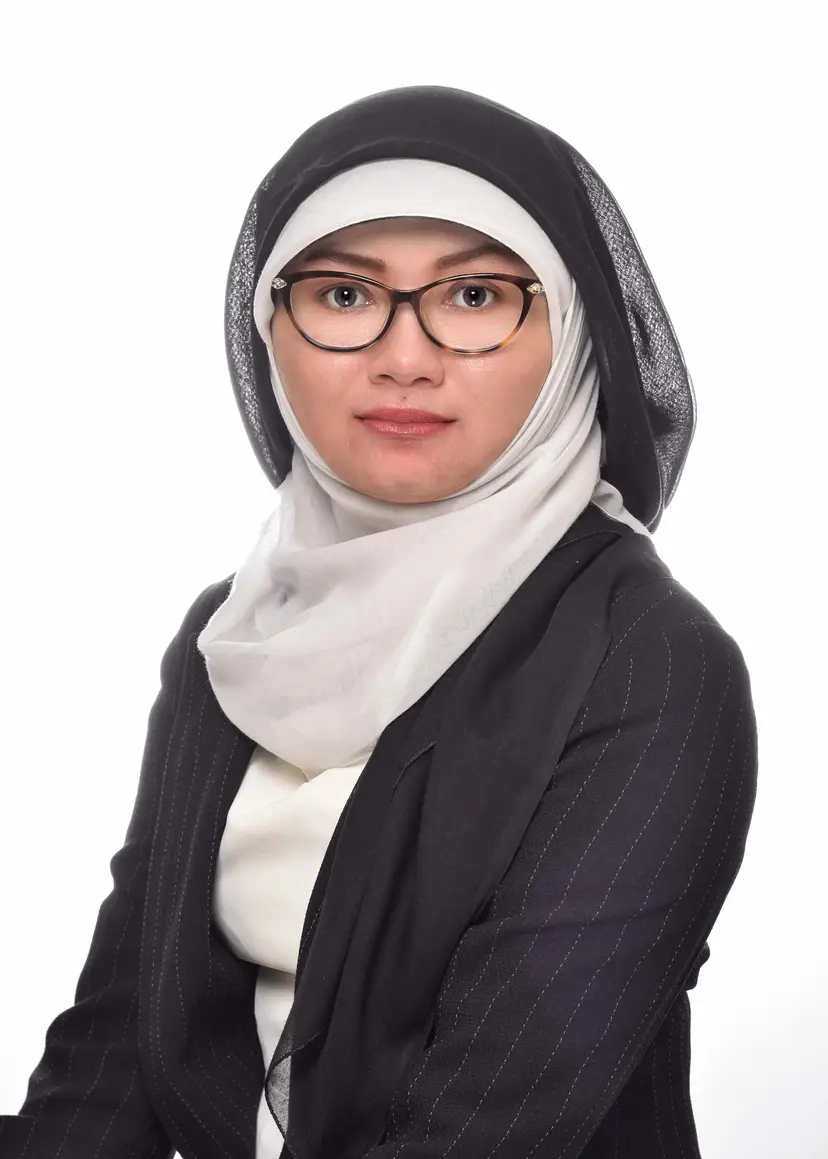
Technology should not merely automate taxation; it should strengthen transparency, trust, and public value.
Prof. Milla Sepliana Setyowati is a Professor of Fiscal Administration at the Faculty of Administrative Sciences, Universitas Indonesia. She earned her Bachelor’s degree in Administrative Science from Universitas Indonesia in 2001, followed by a Master of Accounting degree in 2005 and a Doctorate in Administrative Science in 2014 from the same institution. Appointed as Professor in 2024, she has established herself as one of Indonesia’s leading scholars in tax administration and digital taxation.
Her research focuses on the intersection of taxation, public administration, and emerging technologies. She has contributed extensively to the development of digital tax administration through studies on blockchain technology, artificial intelligence, machine learning, compliance risk management, taxpayer behavior, and tax policy reforms. Her work has been published in leading international journals and has informed discussions on the modernization of tax systems in Indonesia and beyond.
In addition to her academic contributions, Prof. Setyowati actively engages in community service programs related to tax education, public financial management, MSME capacity building, and taxpayer compliance enhancement.

Khairu an-naas anfa’uhum linnaas. Tax knowledge should ultimately create greater benefits for society.
Dr. Prianto Budi Saptono is a Lecturer in Fiscal Administration at the Faculty of Administrative Sciences, Universitas Indonesia, and a distinguished tax practitioner, researcher, and policy expert with extensive experience in both the public and private sectors. He began his professional career as a Tax Auditor at the Directorate General of Taxes, Ministry of Finance of Indonesia, before moving into tax consulting and public accounting. He has also served as Tax Consulting Manager at Kanaka Puradiredja & Rekan and currently leads one of Indonesia’s prominent tax consulting and research institutions.
Dr. Saptono earned his Diploma III (1993) and Diploma IV (1999) in Taxation from STAN, obtained a Master of Business Administration (MBA) from Universitas Gadjah Mada in 2012, and completed his Doctorate in Administrative Science at Universitas Indonesia in 2020. In addition to his academic role, he actively contributes to professional organizations, serving as Chairman of Research and Development at the Indonesian Tax Consultants Association (IKPI), a member of the Tax Committee of the Indonesian Institute of Certified Public Accountants (IAPI), and Chairman of the Indonesian Fiscal and Tax Administration Association (IFTAA) for the 2022–2027 period.
His research combines tax administration, public finance, digital taxation, fiscal governance, and taxpayer behavior, with a particular emphasis on how technology, institutional quality, and public policy shape tax compliance and revenue performance.
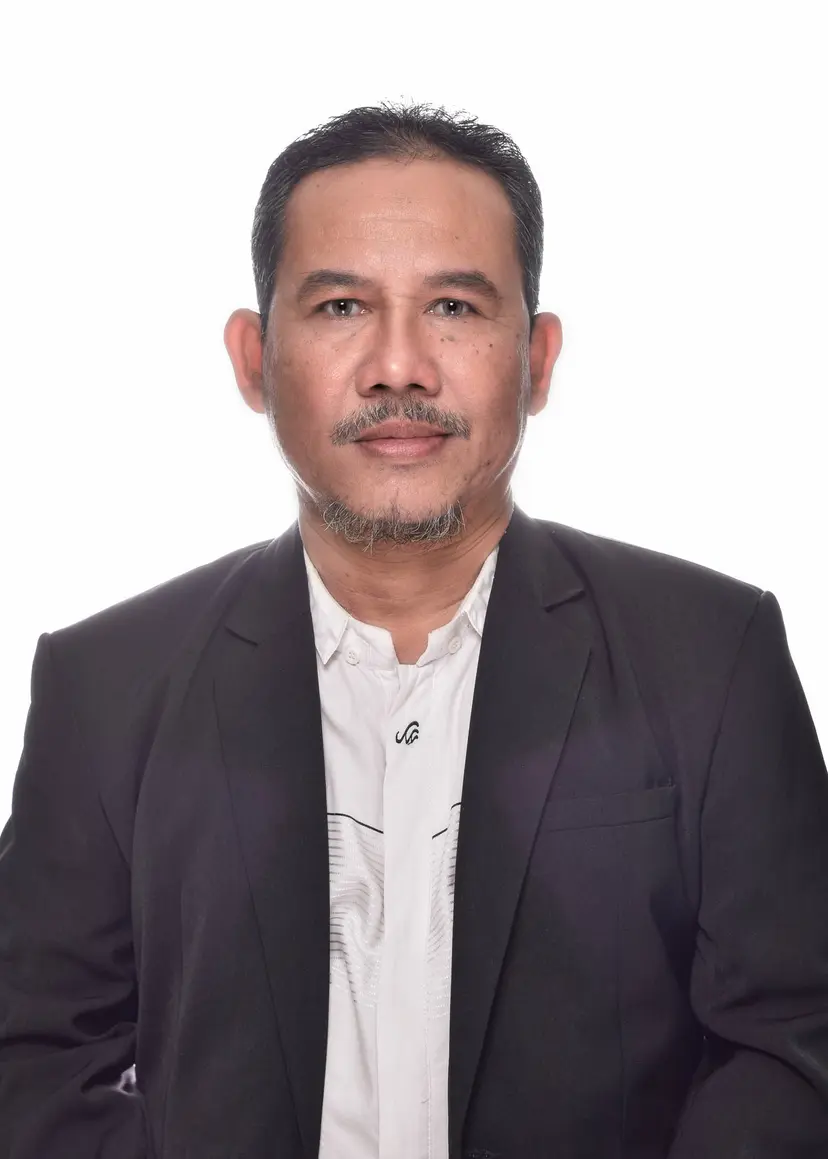
Sound tax administration begins with the integration of policy, accounting, and professional practice.
Drs. Adang Hendrawan, M.Si. is a Lecturer in Fiscal Administration at the Faculty of Administrative Sciences, Universitas Indonesia, with more than three decades of experience in taxation, accounting, and fiscal administration. He earned his Bachelor’s degree in Fiscal Administration from Universitas Indonesia in 1990 and completed his Master’s degree in Tax Policy Studies at the Department of Administrative Sciences, Universitas Indonesia, in 2000. He has been a faculty member of the Fiscal Administration Program since 1992.
In addition to his academic career, Adang has extensive professional experience in taxation and accounting. He served as a Tax Consultant at Ernst & Young International and has been actively involved in professional organizations, including the Indonesian Fiscal and Tax Administration Association (IFTAA), the Indonesian Tax Consultants Association (IKPI), and the Indonesian Institute of Accountants (IAI). He also holds several prestigious professional certifications, including Chartered Accountant (CA), ASEAN Chartered Professional Accountant (ASEAN CPA), Certified Tax Consultant Level C, and Certified Sharia Accountant.
His research focuses on tax administration modernization, tax accounting, digital taxation, taxpayer compliance, and emerging technologies in taxation. He has contributed to several influential studies on artificial intelligence, blockchain technology, electronic tax administration systems, and tax policy reforms in Indonesia.

Data, technology, and governance should work together to create smarter and more accountable tax systems.
Dr. Arfah Habib Saragih is a Lecturer in Fiscal Administration at the Faculty of Administrative Sciences, Universitas Indonesia, specializing in taxation, accounting information systems, and digital governance. She earned her Bachelor’s Degree in Accounting (2010) and Master’s Degree in Accounting Science (2014) from the Faculty of Economics and Business, Universitas Indonesia, graduating cum laude in both programs. She subsequently completed her Doctoral Degree in Accounting with a concentration in taxation and information systems.
A Chartered Accountant (CA) and ASEAN Chartered Professional Accountant (ASEAN CPA), Dr. Saragih is an active member of the Indonesian Institute of Accountants (IAI), the American Accounting Association (AAA), and the Association for Information Systems (AIS). Her academic and professional work bridges taxation, accounting, and digital transformation, particularly in the areas of tax administration modernization, corporate taxation, information technology governance, and financial reporting systems.
Her research has gained significant international recognition through publications in leading journals such as Artificial Intelligence and Law, Technology in Society, Management Review Quarterly, Journal of Accounting Literature, and International Journal of Accounting Information Systems. Her recent studies explore the application of artificial intelligence, blockchain technology, XBRL, and information governance to improve tax administration effectiveness, corporate tax performance, and digital public sector governance.
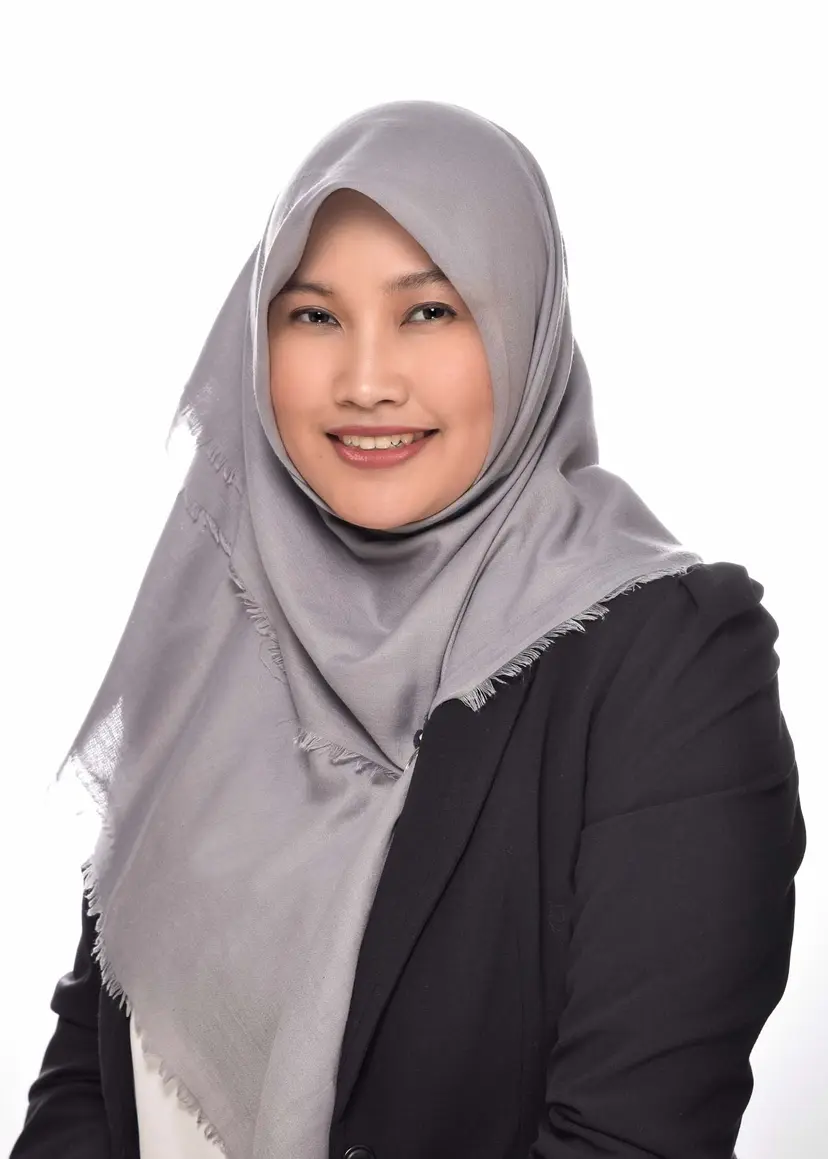
A modern tax system requires not only technology, but also informed and empowered taxpayers.
Wulandari Kartika Sari is a Lecturer in Fiscal Administration at the Faculty of Administrative Sciences, Universitas Indonesia. She earned her Bachelor’s degree in Fiscal Administration from Universitas Indonesia in 2008 and completed her Master’s degree at the same institution in 2012. Since joining academia, she has been actively involved in teaching, research, and community engagement activities focusing on taxation, public administration, and fiscal governance.
Her research interests span personal income tax, withholding tax, tax policy, tax literacy, taxpayer education, local taxation, and digital transformation in tax administration. She has participated in numerous academic conferences, policy discussions, and research projects, including studies conducted in collaboration with international organizations such as the World Bank. Her work reflects a strong commitment to strengthening tax awareness, improving tax administration capacity, and promoting inclusive economic development through fiscal education and innovation.
In addition to her academic activities, Wulandari actively contributes to community outreach programs involving tax education, MSME empowerment, local government capacity building, and financial literacy. Her recent work increasingly focuses on the intersection between digitalization, taxpayer services, and tax education in the era of tax administration modernization.
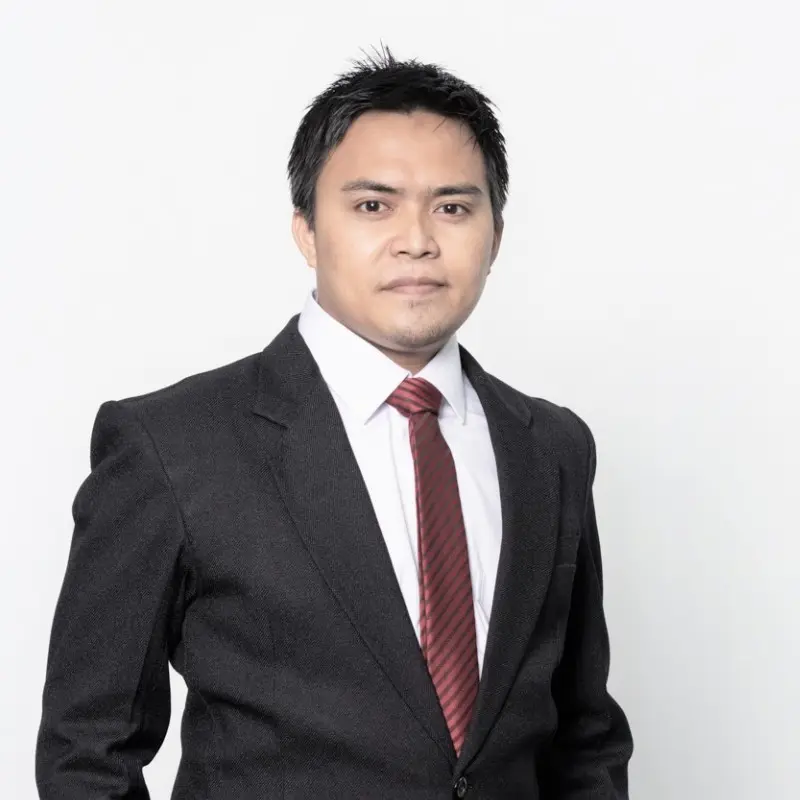
Taxation should not only raise revenue but also support sustainability, public trust, and long-term development.
Ismail Khozen is a Lecturer and Researcher in Fiscal Administration at the Faculty of Administrative Sciences, Universitas Indonesia. He earned his Bachelor’s degree in Fiscal Administration from Universitas Indonesia and completed his Master’s degree in Administrative Science with a specialization in Tax Administration and Policy from the same institution.
His research lies at the intersection of tax administration, taxpayer behavior, digital taxation, environmental taxation, and sustainable fiscal policy. He has published extensively in internationally recognized journals on topics including tax compliance, e-tax systems, digital taxation, fiscal transparency, climate-related disclosure, environmental taxation, and tax governance. His work increasingly explores how tax policy can support broader societal goals such as sustainability, public trust, and fiscal citizenship.
Beyond academia, Ismail is actively involved in policy research, executive training, and public discourse on taxation and public finance. He also holds professional sustainability certifications, including Certified Sustainability Reporting Specialist (CSRS) and Certified Sustainability Reporting Assurance (CSRA), reflecting his interest in integrating taxation and sustainability into public policy design.

Effective tax administration must remain accessible, practical, and responsive to the needs of businesses.
Titin Fachriah Nur Anwar is a Lecturer in Tax Administration at the Vocational Education Program, Universitas Indonesia, with extensive experience spanning academia, taxation, business management, and fiscal policy. She earned her Bachelor’s Degree in Management from the Faculty of Economics, Universitas Indonesia, in 1996 and completed her Master of Management degree at the same institution in 2002. She also holds the professional designation of Chartered Accountant (CA).
Her professional career began in 1993 at PT Jakarta Industrial Estate Pulogadung (JIEP), where she gained practical experience in business and taxation while pursuing her academic studies. Since 1998, she has been actively involved in teaching taxation and business-related subjects at Universitas Indonesia, initially as a part-time lecturer before joining the university as a full-time faculty member in 2011.
Her academic work focuses on taxation policy, fiscal policy, MSME taxation, tax administration, and the intersection between taxation and economic development. In recent years, her research has increasingly explored taxpayer compliance, digital identity systems, tax administration reform, and the role of taxation in supporting sustainable economic growth.