Salma Mar’atus Sholihah, Sri Setiawati Tumuyu, and Herdis Herdiansyah
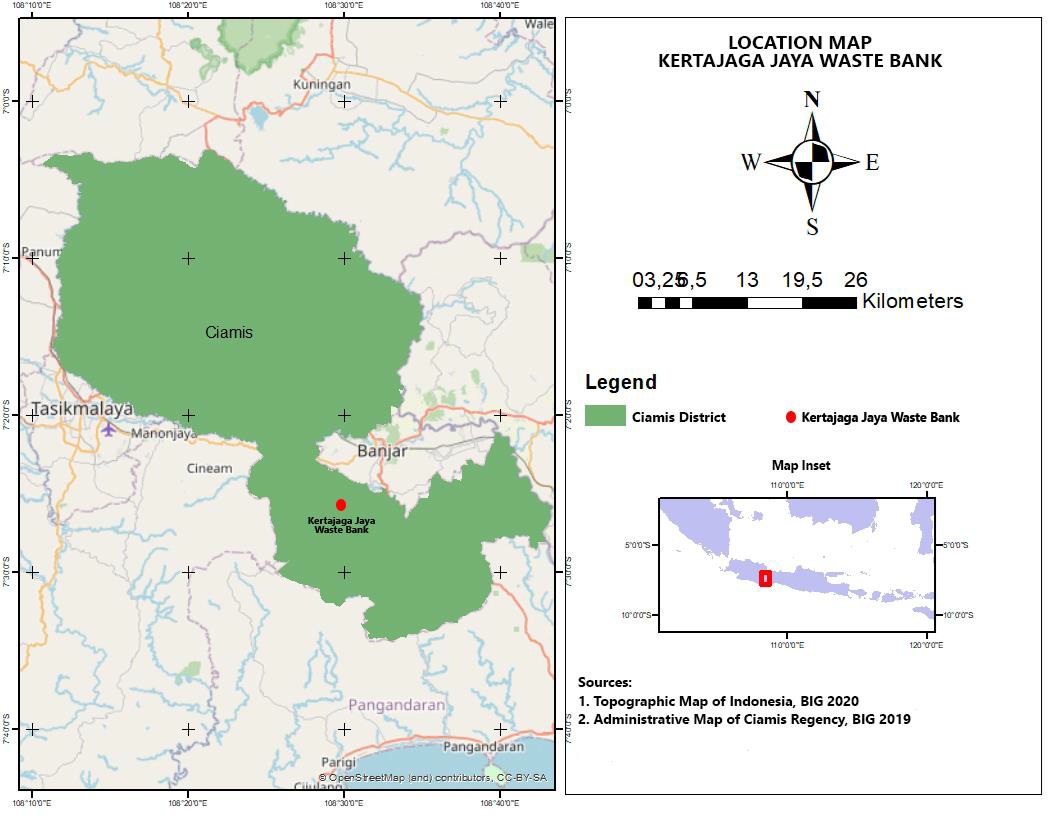
Households constitute the largest contributors to food waste in Indonesia. In rural communities, limited waste management infrastructure necessitates low-cost and sustainable alternatives, such as maggot cultivation, to reduce organic waste while supporting local agricultural systems. This study examines household food waste management practices in Kertajaga through a Knowledge, Attitude, and Practice (KAP) framework.
A questionnaire survey involving 114 household respondents was conducted to assess knowledge, attitudes, and practices related to food waste management strategies, including refuse, reduce, reuse, recycle, and participation in organic waste banks. The study further analyzed the association between KAP variables and sociodemographic characteristics, as well as differences between waste bank customers and non-customers.
The findings reveal a significant difference in knowledge levels between customers and non-customers of the waste bank, while differences in attitudes and practices were not statistically significant. Overall, knowledge regarding food waste management among rural households is relatively good and strongly influenced by socialization initiatives. However, attitudes and practices remain moderate and vary across demographic groups. The study highlights the need for more targeted and context-sensitive waste management education strategies to enhance sustainable food waste reduction behaviors in low-income rural communities.