STELLAR

Stem Cell Resources for Advanced-Biomedicine Research

Who We Are

STELLAR (Stem cEll rEsoURces for Advanced-biomedicine Research) is a national stem cell research consortium established to integrate multidisciplinary expertise in advancing stem cell science, translational biomedicine, and innovative health technologies in Indonesia.


STELLAR serves as a Stem Cell Scholar Hub, bringing together clinician-scientists, basic researchers, engineers, and translational experts from leading universities, national research institutions, and industry partners to collaboratively generate impactful scientific knowledge and biomedical solutions.
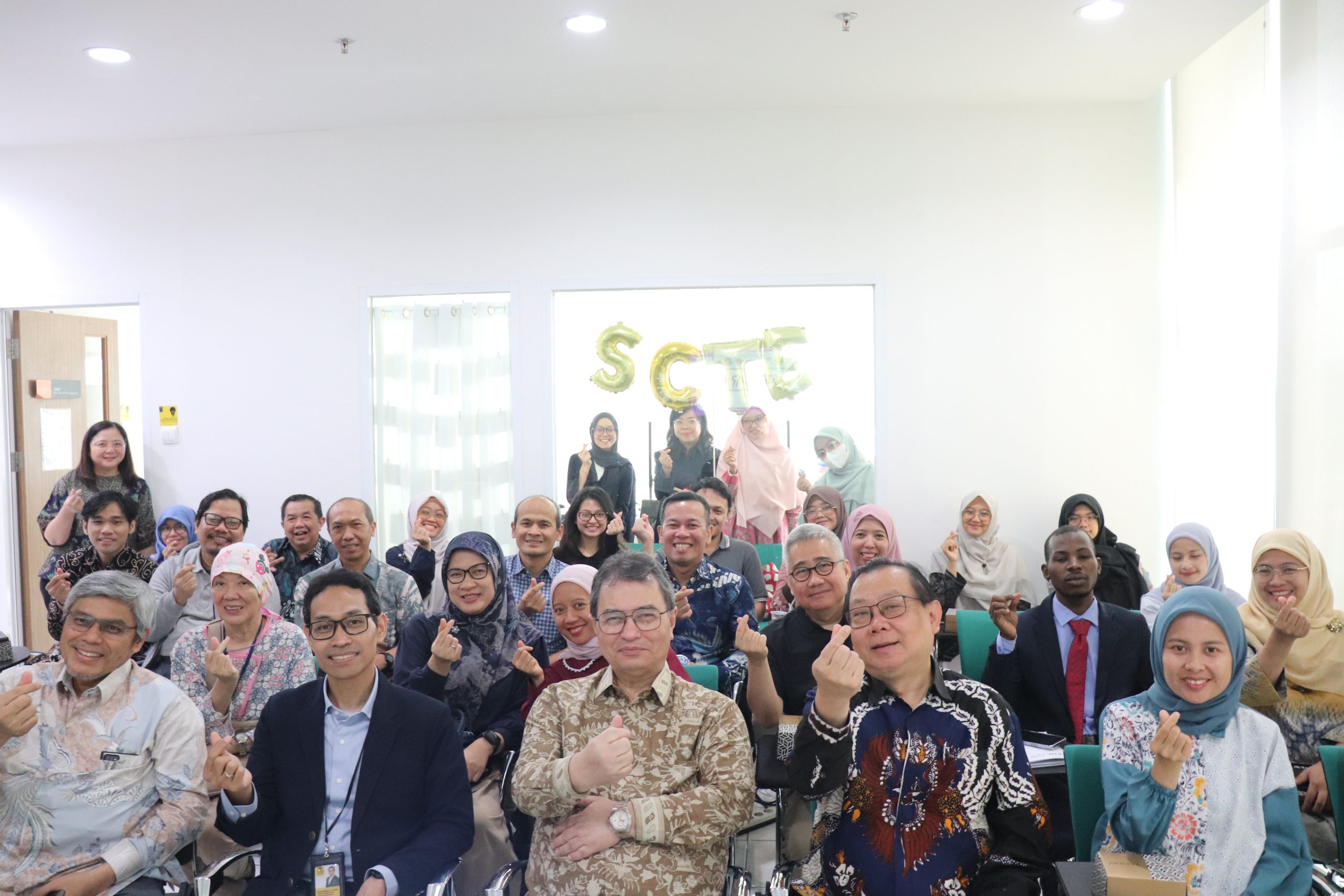
STELLAR as a National Research Hub

Through this model, STELLAR strengthens Indonesia’s position in advanced biomedicine by fostering knowledge production, innovation, and sustainable research excellence

STELLAR’s activities span the full continuum of stem cell research and innovation, including:

  1. Development of iPSC lines, organoids, and cell-based models
  2. Establishment of Indonesian immortalized cell line resources
  3. Organ-on-a-chip and microphysiological systems
  4. AI-inspired stem cell technology and nanoengineering
  5. Clinical and translational research frameworks
  6. Research training, workshops, and scholar development

STELLAR is designed as a collaborative platform rather than a single laboratory, enabling:

  1. Cross-institutional research integration
  2. Shared stem cell resources and methodologies
  3. Capacity building for early-career researchers
  4. Accelerated translational pathways from bench to clinic

Our Research

Why it Matters

Rapid advances in stem cell science, particularly induced pluripotent stem cells (iPSCs), organoids, and bioengineered systems, have transformed biomedical research and regenerative medicine globally. However, translating these advances into clinically relevant, scalable, and ethically grounded solutions requires strong institutional collaboration, standardized infrastructure, and long-term strategic alignment.

In Indonesia, stem cell research activities have grown across institutions but often remain fragmented, limiting national synergy, translational speed, and global competitiveness. STELLAR was established to address this gap by creating a coordinated research ecosystem that connects resources, expertise, and innovation pipelines under a unified framework.

Core Research Pillars

iPSCs Clinical Translational Research

This pillar focuses on the development and clinical translation of induced pluripotent stem cells (iPSCs) for biomedical applications. STELLAR advances iPSC generation, differentiation, and organoid-based models aligned with clinical needs, regulatory frameworks, and translational pathways from bench to bedside.

Indonesian Immortalized Cell Lines

This pillar aims to establish and expand a national repository of Indonesian-origin immortalized cell lines. These cell resources support biomedical research, drug screening, and toxicity testing while strengthening research independence and representing population-specific biological characteristics.

Organ-on-a-Chip

This research pillar integrates stem cell biology with microengineering technologies to develop organ-on-a-chip platforms that replicate key physiological functions of human organs. These systems enable advanced disease modeling, drug testing, and mechanistic studies in controlled in vitro environments.

AI-Inspired Stem Cell Technology & Nanoengineering

This pillar combines artificial intelligence, biomaterials, and nanoengineering to optimize stem cell differentiation, organoid formation, and tissue engineering. AI-driven modeling and advanced scaffold design enhance precision, scalability, and innovation in stem cell-based research.

Related Publications

  • Yanuar, A., Agustina, H., Antarianto, R. D., Hidajat, N. N., Mahyuddin, A. I., Dilogo, I. H., Budhiparama, N. C., & Atik, N. (2025). Extracellular Vesicles from Adipose-Derived Mesenchymal Stem Cells Improve Ligament–Bone Integration After Anterior Cruciate Ligament Primary Repair in Rabbit. Biomolecules15(3), 396. https://doi.org/10.3390/biom15030396 
  • Widowati, W., Faried, A., Susanah, S., Priyandoko, D., Sugiaman, V. K., Nainggolan, I. M., Sabrina, A. H. N., Zahiroh, F. H., Hannan, N. R.-F., Rizal, R., & Wargasetia, T. L. (2024). Isolation and characterization of fibroblast from normal and thalassemia foreskin. Trends in Sciences, 21(6), Article 7672. https://doi.org/10.48048/tis.2024.7672 
  • Remelia, M., Bela, B., Widyaningtyas, S. T., Antarianto, R. D., Mazfufah, N. F., & Pawitan, J. A. (2023). The use of cell-penetrating peptide for delivery of recombinant transcription factor DNA into primary human fibroblast. Molecular and Cellular Biomedical Sciences, 7(1), 28–37. https://doi.org/10.21705/mcbs.v7i1.279
  • Septiana, W. L., Noviantarie, A., & Antarianto, R. D. (2023). Induced pluripotent stem cells (iPSCs)–based liver organoid: The benefits and challenges. Cellular Physiology and Biochemistry, 57, 345–359. https://doi.org/10.33594/000000662
  • Septiana, W. L., Ayudyasari, W., Gunardi, H., Pawitan, J. A., Balachander, G. M., Yu, H., & Antarianto, R. D. (2023). Liver organoids cocultured on decellularized native liver scaffolds as a bridging therapy improves survival from liver failure in rabbits. In Vitro Cellular & Developmental Biology – Animal, 59, 747–763. https://doi.org/10.1007/s11626-023-00817-8


News & Updates

10 Mar 2026
SHINTA Receives Program Hilirisasi Riset Prioritas 2026 Funding
The SHINTA (Stem Cell Hepatic iNTuitive Apparatus) vascular prototype project has been selected for funding under Program Hilirisasi Riset Prioritas – Pengujian Model dan Prototipe 2026
23–24 Jan 2026
12th Takeda Science Foundation Symposium on PharmaSciences
Members of our research group presented five posters at the 12th Takeda Science Foundation Symposium on PharmaSciences: Organoid 4D – Development, Disease, Diversity and Discovery, held at the Knowledge Capital Congrès Convention Center, Osaka, Japan

The STELLAR Network

Contact

Stem Cells and Tissue Engineering (SCTE) IMERI-FKUI
IMERI-FKUI, Tower A, Floor 8
Radiana Dhewayani Antarianto, MD, MBiomed, PhD 

Associate Professor Dept Histology FKUI (radiana.dhewayani@ui.ac.id)