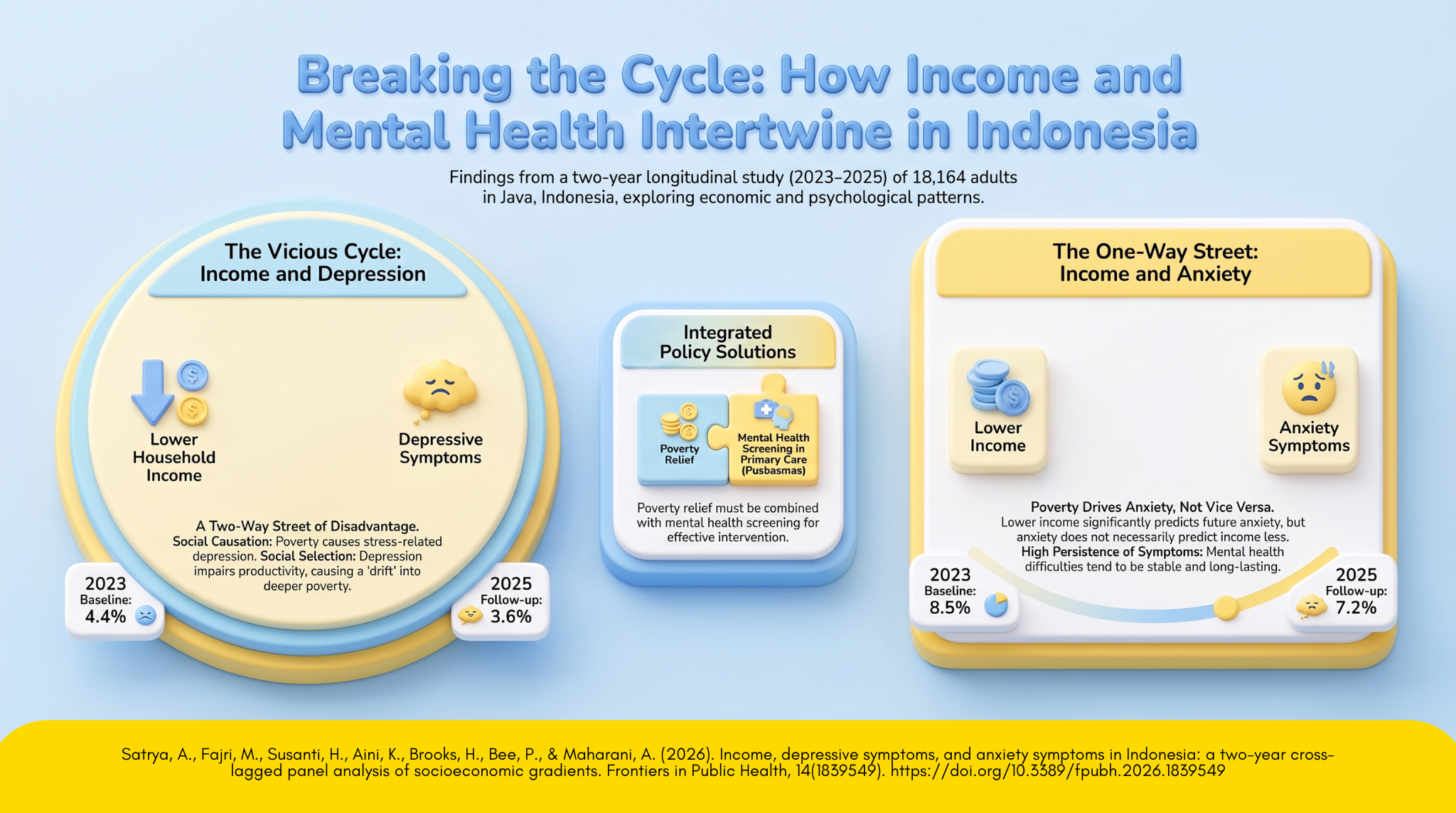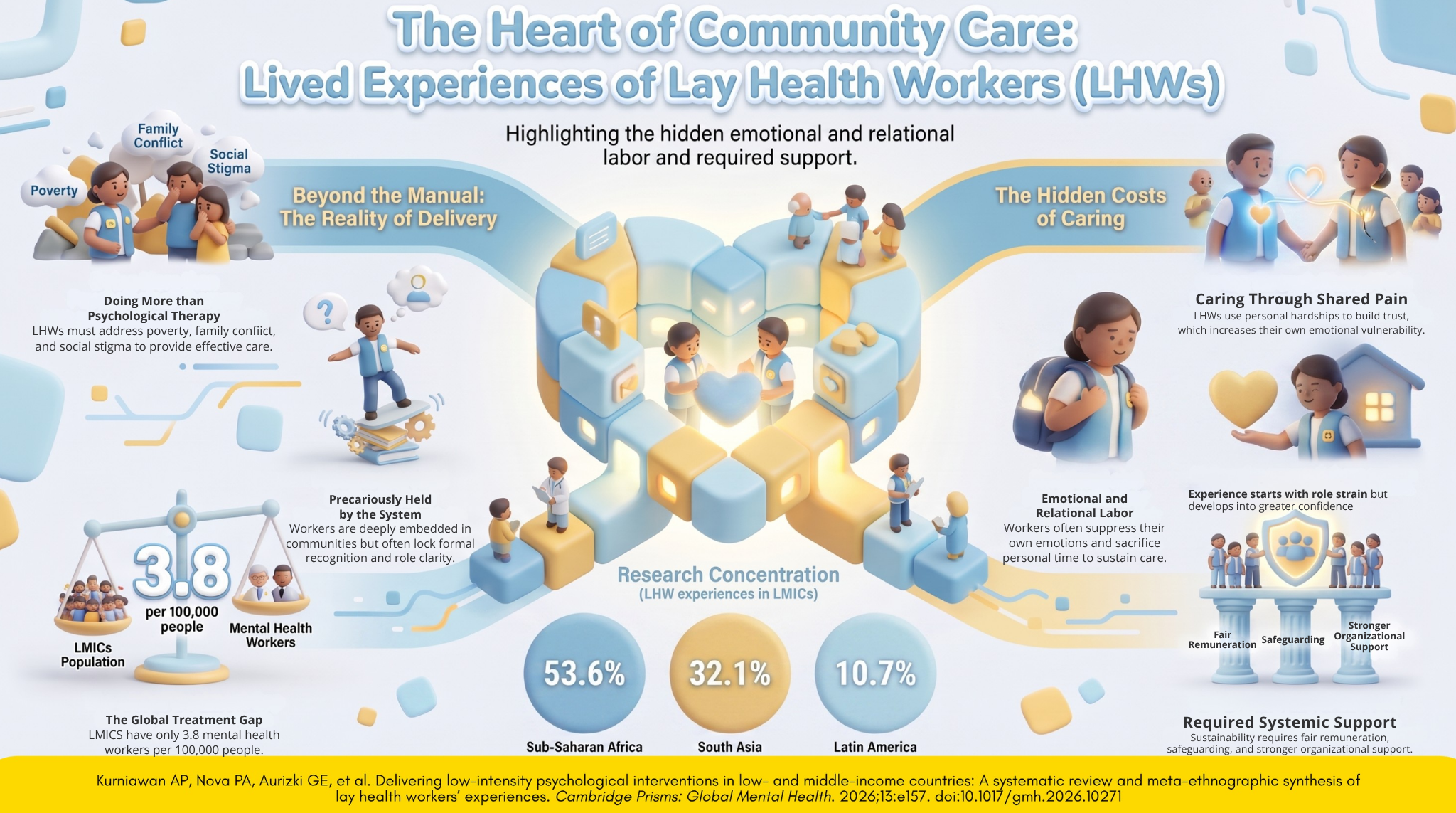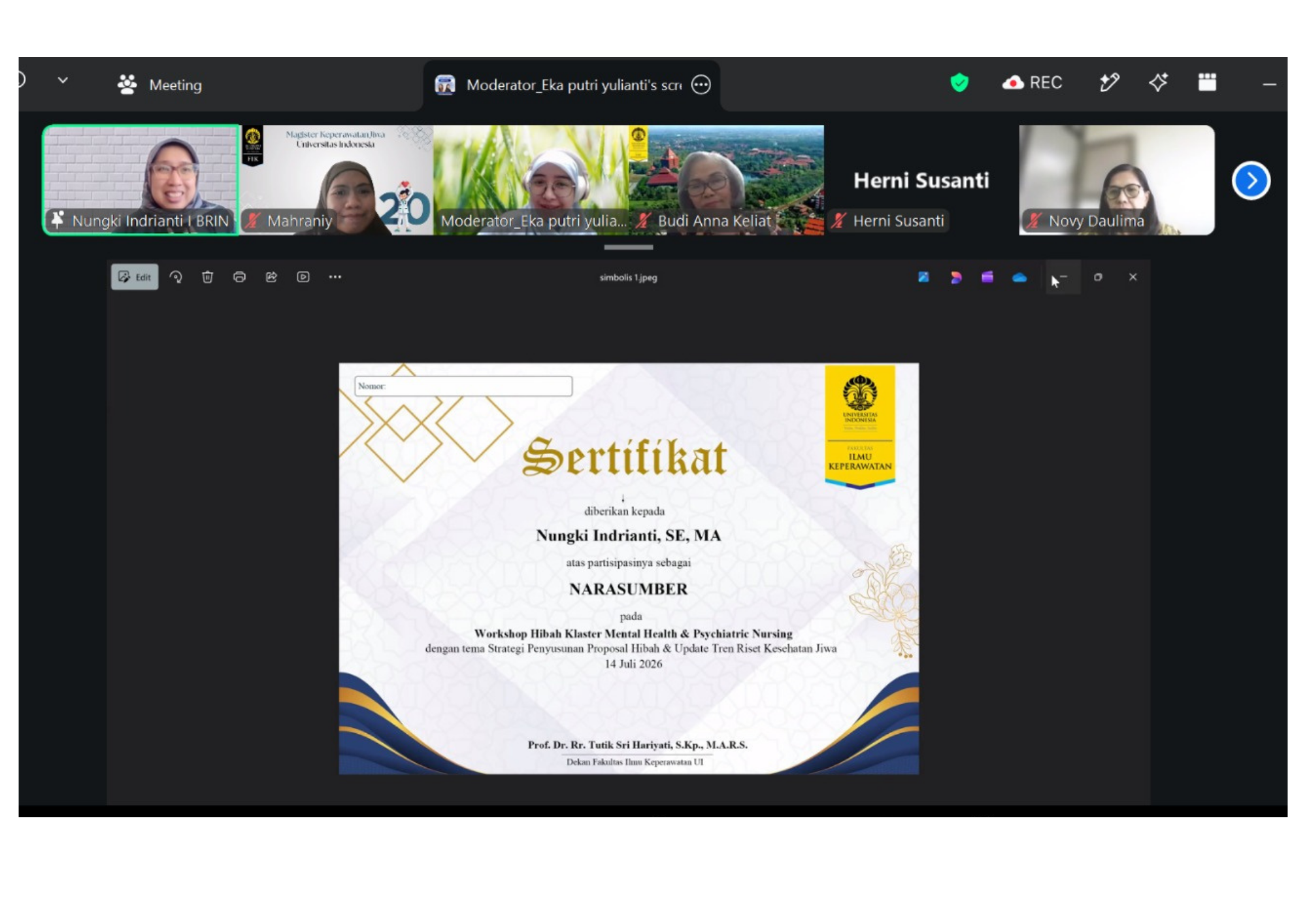

In a recent collaborative effort published in PLoS One, Mental Health and Psychiatric Nursing Research Cluster member Prof. Herni Susanti—alongside co-authors Sri Idaiani, Mashita Fajri, Irmansyah, Asri Maharani, Jonathan Gibson, Jack Wilkinson, Helen Brooks, and Penny Bee—presents a comprehensive evaluation of the intersection between acute psychosocial stressors and psychiatric outcomes. Their article investigates the critical link between stressful life events and mental health outcomes, providing vital insights into the socio-cultural and economic factors that influence psychological well-being as Indonesia faces a growing burden of mental health disorders.
The large-scale study addresses the escalating challenge of depression and anxiety among the adult population, utilizing data from the 2023 Sustainable Treatment and Care for Anxiety and Depression (STAND) survey to analyze a substantial sample of 19,186 participants across four provinces: Banten, West Java, Central Java, and East Java. Recognizing the profound impact of acute psychosocial stressors in low- and middle-income settings, the research assesses how significant life events—such as job loss, illness, or the death of a loved one—associate with psychological distress, and examines how socioeconomic factors moderate these risks.
Results demonstrate that exposure to high levels of life stress correlates with more than tenfold higher odds of depression and over sevenfold higher odds of anxiety. Crucially, the findings confirm that higher education, greater household wealth (assets), and living in urban areas act as vital structural buffers, significantly lowering the odds of developing these mental health conditions even when individuals face moderate stress.
The findings conclude that psychiatric nursing strategies and systemic mental health interventions must prioritize populations facing structural disadvantages, particularly those in rural settings or with lower educational attainment. The clear socio-ecological insights support the integration of targeted psychosocial support into primary care to mitigate the long-term psychological impact of severe life challenges across resource-constrained communities.