
Experimental study on the thermal performance of PCM wall panels as a temperature stabilizer in a hot-humid climate
STATUS: PUBLISHED
FUNDING SOURCE: Publikasi Terindeks Internasional (PUTI 2024)
KEYWORDS:
Phase change materialsthermal performancethermal stabiliserwall panelhot and humid climatebuilding energy conservation
Abstract
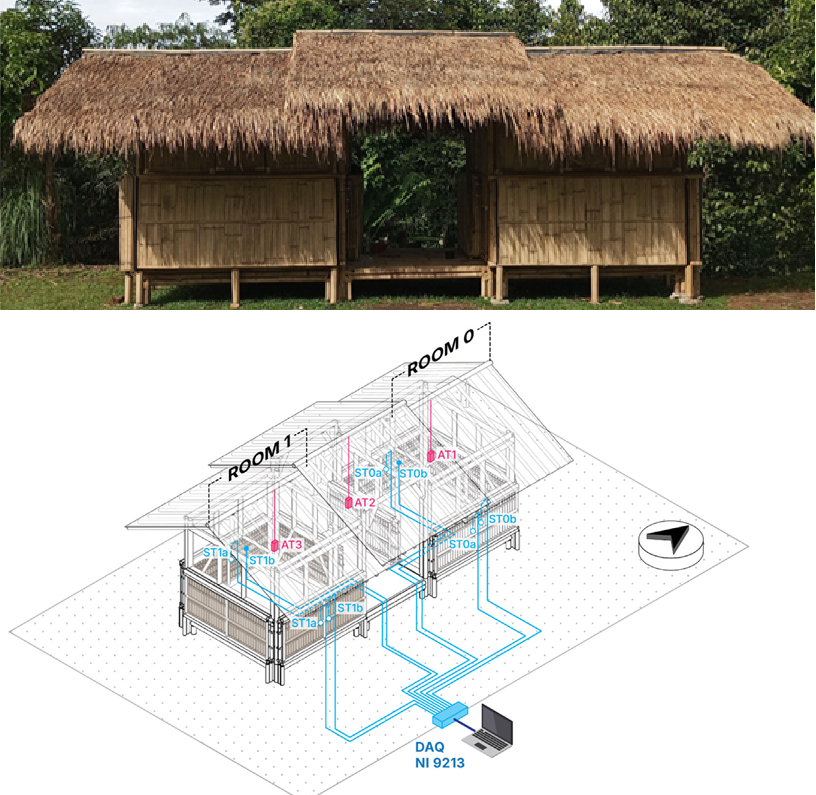
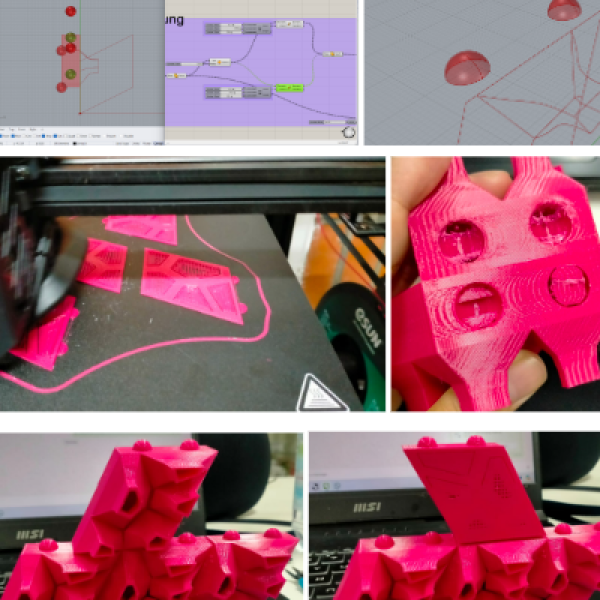
This study assessed the potential of using two types of Phase Change Material (PCM) as a temperature stabilizer in a hot-humid climate region. This study assessed two PCM, Paraffin Wax and Coconut Oil, to reduce AC usage. Three room conditions were experimentally tested: a control (no PCM), Paraffin Wax PCM panels and Coconut Oil PCM panels. Temperatures were monitored over a 48-hour cycle, comprising one 12-hour AC-on period (A) followed by three 12-hour AC-off periods (B, C, D). The results demonstrated that PCM-equipped rooms maintained lower temperatures for longer durations after AC deactivation. The Paraffin Wax PCM performed optimally during Period D, achieving a 2.84°C temperature reduction versus the control. The Coconut Oil PCM was most effective in Period B with a 2.06°C reduction. The result shows that the Paraffin Wax PCM wall panels may reduce the use of AC for up to 8 hours in the 48-hour cycle.
Highlights
-
Two organic PCMs were compared in closed room conditions with AC and without AC.
-
The paraffin wax wall panel reduced the duration of AC by approximately 8 h.
-
The paraffin wax wall panel showed the highest reduction in indoor temperature.
-
The coconut oil wall panel performed better with AC usage at night
Publication:
Smitha, K. D., Dewi, O. C., Putra, N., Rahmasari, K., Salsabila, N. D., Ardini, C. P., & Soebarto, V. (2025). Experimental study on the thermal performance of PCM wall panels as a temperature stabilizer in a hot-humid climate. Architectural Science Review, 1–12. https://doi.org/10.1080/00038628.2025.2584175